



By using our website, you agree to the use of cookies as described in our Cookie Policy
Most anglers think timing is just about convenience. Show up when you can, cast where you want. But Tampa Bay doesn't work that way — and if you're ignoring the clock, you're missing the window. Fish don't care about your schedule. They care about temperature, light, and when their prey is vulnerable. Get those right, and you're in business. Get them wrong, and you're just burning gas.
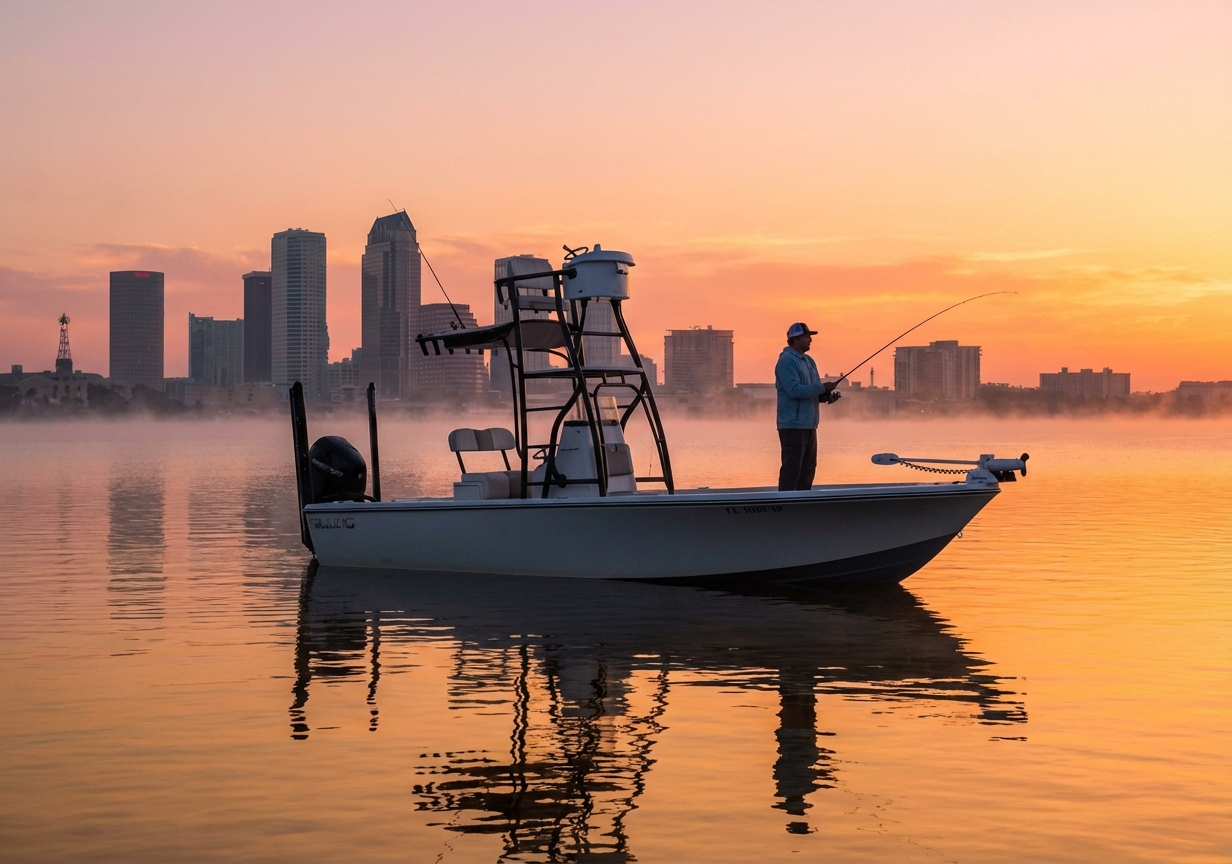
So here's the reality. If you're serious about hooking snook, reds, or trout, dawn isn't a suggestion — it's the edge. The bay shifts every hour. Water cools. Baitfish move. Predators wake up hungry. And if you're not there when it happens, someone else will be.
Water Temperature Drives the Bite
Fish don't have thermostats. Their metabolism runs on whatever the water gives them. In Tampa Bay, early morning means cooler temps — especially when summer turns the afternoon shallows into a bathtub. That cooling window is when species like snook, redfish, and speckled trout get active. They're not lounging around waiting for the sun to bake them. They're feeding.
Cooler water also holds more oxygen. That matters when you're targeting fish that need to move fast and hit hard. The difference between a sluggish fish and an aggressive one often comes down to a few degrees. Dawn delivers that difference before the sun cranks the heat back up.
Low Light Means Aggressive Feeding
Predators hunt best when their prey can't see them coming. That's why dawn is prime time. The light is dim, visibility is low, and baitfish are exposed. Snook patrol the mangroves. Reds cruise the flats. Trout ambush anything that moves. It's not luck — it's biology.
This is also when topwater lures shine. Fish are looking up, scanning the surface for silhouettes. A well-placed plug or popper can trigger explosive strikes that wouldn't happen two hours later. The window is short, but the action is real.
Fewer Boats, Better Spots
By mid-morning, Tampa Bay turns into a parking lot. Recreational boaters, jet skis, kayakers — everyone's out. That traffic pushes fish deeper or shuts them down entirely. If you're launching at sunrise, you've got the water to yourself. No wakes. No competition. Just you and the fish.
Quiet water also means you can work shallow zones without spooking everything in sight. Fish that would scatter from engine noise or hull slap will hold tight when the bay is calm. That access alone is worth the early alarm.
Weather Works in Your Favor
Florida heat is no joke. By noon, the sun is relentless, and afternoon storms roll in like clockwork during summer. Early morning skips both problems. The air is cool, the sky is clear, and you're off the water before the lightning starts.
Comfort matters when you're trying to stay focused. Dehydration, sunburn, and fatigue all kill your edge. Dawn fishing keeps you sharp and safe. Plus, the sunrise over Tampa Bay? That's a bonus you don't get at 2 p.m.
Species That Respond to Dawn
Not every fish cares about the clock, but plenty do. Here's what we see hitting hardest at first light:
- Snook prowl the mangroves and docks, ambushing baitfish as the light breaks
- Redfish cruise grass flats and oyster bars, feeding aggressively before the heat sets in
- Speckled trout work the edges of channels and potholes, hitting lures and live bait with equal enthusiasm
- Tarpon roll on the surface at dawn, especially during migration months when they're staging near passes
- Flounder sit tight on sandy bottoms, waiting for prey to drift past in the low light
Tides Matter More Than You Think
Dawn is great, but dawn plus a moving tide? That's the jackpot. Fish feed hardest when water is pushing bait through structure. An outgoing tide pulls shrimp and baitfish out of the grass. An incoming tide floods the flats and activates everything.
Check the tide chart before you launch. If you can time your arrival so you're fishing a strong tide at first light, you're stacking the odds. If the tide is slack, you might still catch fish — but you'll work harder for them.
Gear and Tactics That Work at Dawn
Early morning fishing isn't just about showing up. You need the right approach. Stealth is critical — fish are in shallow water, and they spook easily. Quiet trolling motor, soft casts, and minimal noise will keep you in the game.
Here's what we rely on when the light is low:
- Topwater plugs and poppers for explosive surface strikes
- Soft plastics on light jigs for working grass flats and potholes
- Live bait like pilchards or shrimp, fished under popping corks or free-lined near structure
- Polarized sunglasses to spot fish, read water, and navigate safely as the sun rises
- Headlamps or deck lights for rigging in the dark without fumbling
Navigation Requires Attention
Tampa Bay has plenty of shallow zones, sandbars, and unmarked hazards. Running in low light means you need to know where you're going. GPS and charts are essential, but local knowledge is better. If you're new to the bay, stick to marked channels until you've learned the layout.
Don't rush. A bent prop or damaged lower unit will cost you more than the fish you're chasing. Slow down, watch your depth finder, and give yourself time to adjust as the light improves.
When Dawn Doesn't Deliver
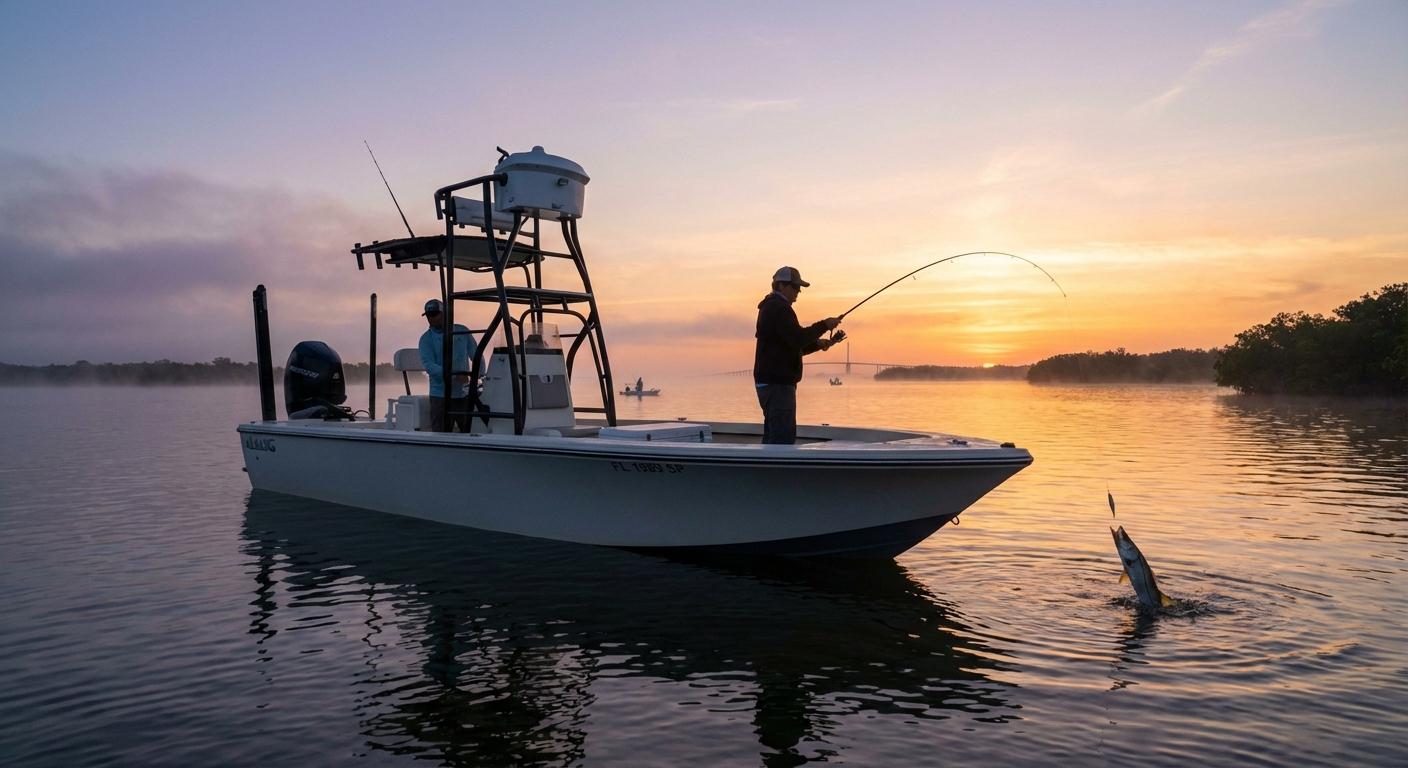
Early morning isn't a guarantee. Cold fronts can shut fish down. Extreme low tides can push them out of reach. And some species — like tarpon fishing in Tampa Bay during certain phases — feed better at dusk or even at night.
If you're not seeing action at dawn, don't assume the day is lost. Adjust your strategy. Move to deeper water. Switch baits. Try different structure. The bay is big enough that something is always biting somewhere.
Preparation Beats Luck Every Time
Want to make the most of early morning? Show up ready. That means launching before sunrise, not scrambling to rig rods in the dark. It means having your spots scouted and your tackle organized. It means checking weather impacts on fishing, tides, and reports the night before.
Here's what separates productive trips from wasted mornings:
- Arrive at the ramp early enough to launch and reach your spot before first light
- Pre-rig rods and organize tackle the night before to save time on the water
- Study tide charts and plan your route around moving water
- Bring layers — mornings can be cool, even in Florida
- Pack water, snacks, and sun protection for when the heat kicks in later
The Verdict from Anglers Who Know
Talk to anyone who fishes Tampa Bay regularly, and they'll tell you the same thing. Dawn is when it happens. The fish are active, the water is calm, and the competition is minimal. It's not the only time to catch fish, but it's consistently one of the best.
That doesn't mean you have to fish every morning. But if you're planning a trip and want to maximize your chances, setting the alarm early is the move. Understanding what to bring on a charter and knowing how to properly prepare will help you make the most of those early hours. The bay rewards those who show up when it matters.
Commitment Pays Off
Waking up before the sun isn't easy. Neither is navigating in the dark or dealing with the chill that comes off the water at 5 a.m. But the payoff — aggressive strikes, empty flats, and the kind of fishing that makes you forget why you were tired — that's worth it.
Tampa Bay doesn't hand out easy wins. The fish are there, but you have to meet them on their terms. Early morning is when those terms are most favorable. Miss it, and you're fishing uphill the rest of the day. Working with an experienced Tampa Bay fishing guide can help you understand these patterns and maximize your time on the water, especially during inshore light tackle charters.
Let’s Make Your Next Dawn on the Bay Unforgettable
We know the thrill that comes with those first casts at sunrise, and we’re here to help you experience Tampa Bay fishing at its best. If you’re ready to take advantage of the early morning edge and want a crew that knows every tide and turn, let’s plan your trip together. Call us at 813-444-5955 or book your trip today—we can’t wait to get you on the water when it matters most.
‹ Back
Recent Posts
-
Can Beginner Anglers Enjoy a Tarpon Fishing Trip in Tampa Bay?
October 13, 2026
-
Is Morning or Afternoon Fishing Better in Tampa Bay?
September 29, 2026
-
How Early Should You Arrive for a Tampa Bay Fishing Charter?
September 15, 2026
-
Can You Catch Snook Year-Round in Tampa Bay?
September 1, 2026
-
What Is the Average Cost of a Tampa Fishing Charter?
August 18, 2026