


By using our website, you agree to the use of cookies as described in our Cookie Policy
Most anglers think one bay is pretty much like another. Saltwater, fish, maybe some grass flats. But Tampa Bay doesn't play by those rules — and if you've only fished elsewhere, you're missing the bigger picture. This estuary isn't just productive. It's built different. The structure, the species mix, the year-round action — it all adds up to something you won't find replicated up or down the coast.
So here's what matters. If you're serious about inshore fishing in Tampa Bay, Tampa Bay should be on your radar. Not because it's trendy or overhyped, but because the conditions here create opportunities that other bays simply can't match. Every flat has a story. Every tide brings something new. And every trip should be grounded in understanding what makes this place tick — not just where the fish are today.
The Layout Alone Changes Everything
Tampa Bay sprawls across more than 400 square miles of open estuary, and that size matters. We're not talking about a narrow inlet or a shallow lagoon. This is a massive, interconnected system of channels, flats, mangrove islands, and oyster bars. The sheer variety of structure means you can fish a different zone every day for a month and still find new water.
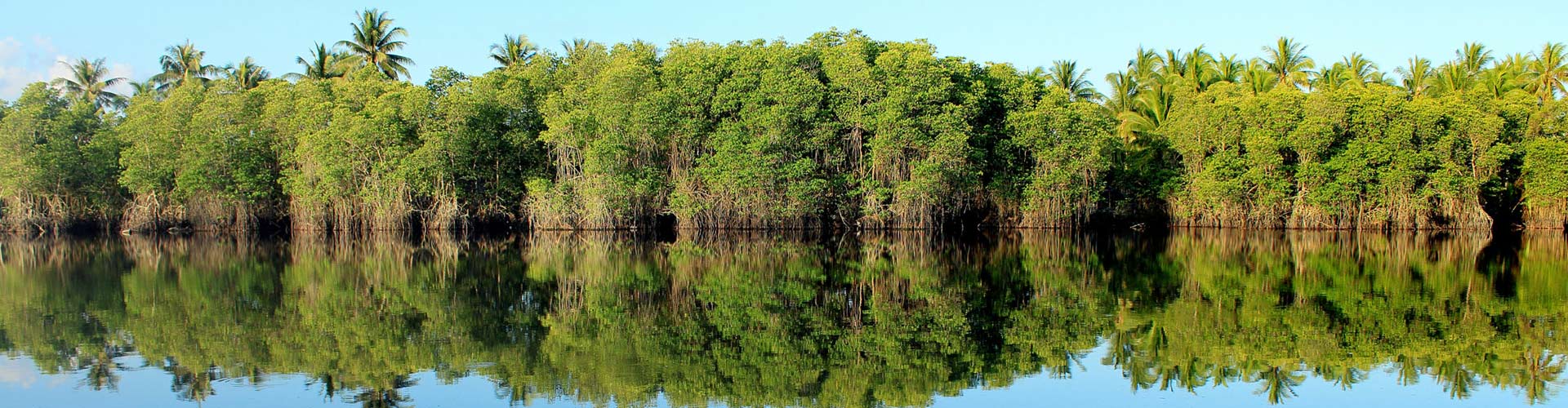
Other bays might offer one or two dominant habitat types. Tampa Bay gives you all of them. Grass beds stretch for miles. Mangrove shorelines twist through backcountry creeks. Rocky points and bridge pilings create ambush zones. And because the Gulf feeds directly into the bay, the water stays clean, oxygenated, and full of life. That constant exchange is what keeps the ecosystem humming.
Species Variety That Keeps You Guessing
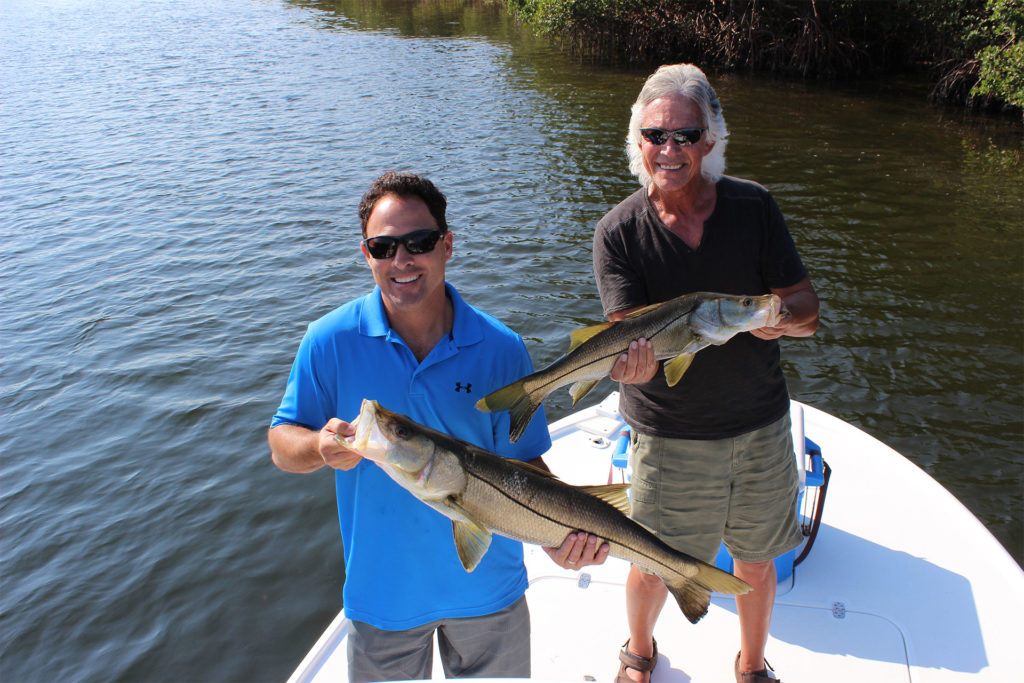
Walk into any tackle shop along the bay and ask what's biting. The answer changes depending on the season, the tide, and where you're willing to go. Snook, redfish, trout, tarpon, sheepshead, flounder, mackerel, cobia — the list goes on. We're not exaggerating when you can learn about common fish species in Tampa Bay and target half a dozen in a single outing.
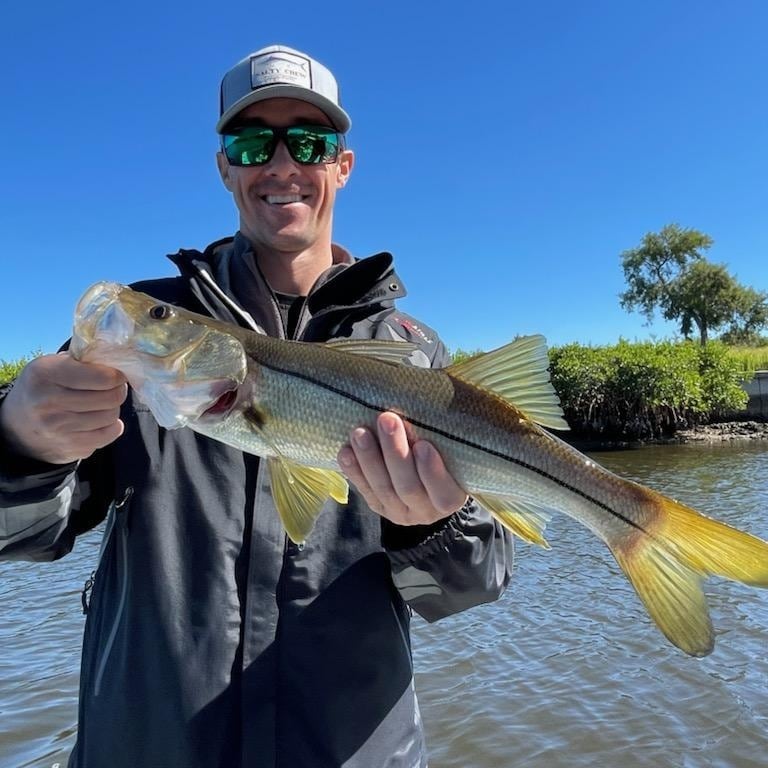
That kind of diversity isn't standard. Plenty of coastal bays are known for one or two marquee fish. Tampa Bay delivers across the board. Spring brings tarpon rolling through the flats. Summer heats up the snook bite. Fall sees trout stacked in the grass. Winter? That's when sheepshead and redfish take over. The rotation never stops, and neither does the action.
Twelve Months of Fishable Water
Some bays shut down when the temperature drops. Others get too hot or too murky in summer. Tampa Bay stays in the game all year. The subtropical climate keeps water temps stable enough that fish remain active even in January. Cold fronts might slow things down for a day or two, but they don't kill the bite.
We've seen anglers pull trophy snook in February and land tarpon in November. The consistency is what separates this bay from northern counterparts that go dormant for months. If you want to fish, you can fish. No waiting for the season to open. No hoping the water warms up. Just grab your gear and go.
Access That Doesn't Require a Fortune
You don't need a $70,000 flats boat to fish Tampa Bay effectively. Kayaks, paddleboards, and small skiffs all get the job done. Plenty of productive spots sit within paddling distance of public launches. Wade fishermen work the shorelines and sandbars without ever stepping into a boat. The bay rewards effort and knowledge, not just horsepower.
Compare that to bays where the best fishing requires long runs, specialized equipment, or expensive guide fees. Tampa Bay keeps it accessible. Launch at dawn, fish the mangroves, hit a grass flat, and be back at the dock by lunch. The learning curve is real, but the entry barrier isn't.
Techniques That Cover Every Style
Fly anglers sight-cast to tailing reds on the flats. Spin fishermen throw topwater plugs at snook under the mangroves. Live bait guys drift shrimp over oyster bars. Jig heads, soft plastics, spoons, poppers — everything works somewhere in this bay. The variety of habitats supports every approach, and the fish don't discriminate.
Here's what we see working consistently:
- Topwater lures at dawn and dusk along mangrove edges
- Live pilchards or pinfish around docks and bridges
- Soft plastics bounced through grass beds for trout
- Fly patterns stripped over shallow flats for redfish
- Cut bait on the bottom for sheepshead and black drum
Conservation That Actually Stuck
Tampa Bay wasn't always this healthy. Decades ago, pollution and overfishing nearly wrecked the ecosystem. But local groups, agencies, and anglers pushed back. Habitat restoration projects brought back seagrass. Water quality improvements cleared up the murk. Slot limits and seasonal closures gave fish populations room to recover.
The result? A bay that's cleaner and more productive now than it was 30 years ago. Catch-and-release culture runs deep here. Most anglers know the regs by heart and follow them without being told. That ethic keeps the fishery strong and ensures the next generation gets to experience what we have.
Structure That Holds Fish Year-Round
Grass flats dominate the shallows, but they're not the only game in town. Oyster bars create current breaks and feeding zones. Mangrove roots provide cover for juvenile fish and ambush points for predators. Bridge pilings and docks attract baitfish, which in turn pull in snook, tarpon, and jacks. Rocky points and drop-offs hold sheepshead and grouper.
Every structure type plays a role:
- Grass flats for trout, reds, and flounder
- Mangrove shorelines for snook and juvenile tarpon
- Oyster bars for redfish and sheepshead
- Bridge pilings for snook, tarpon, and Spanish mackerel
- Deep channels for cobia and king mackerel
Urban Proximity Without the Compromise
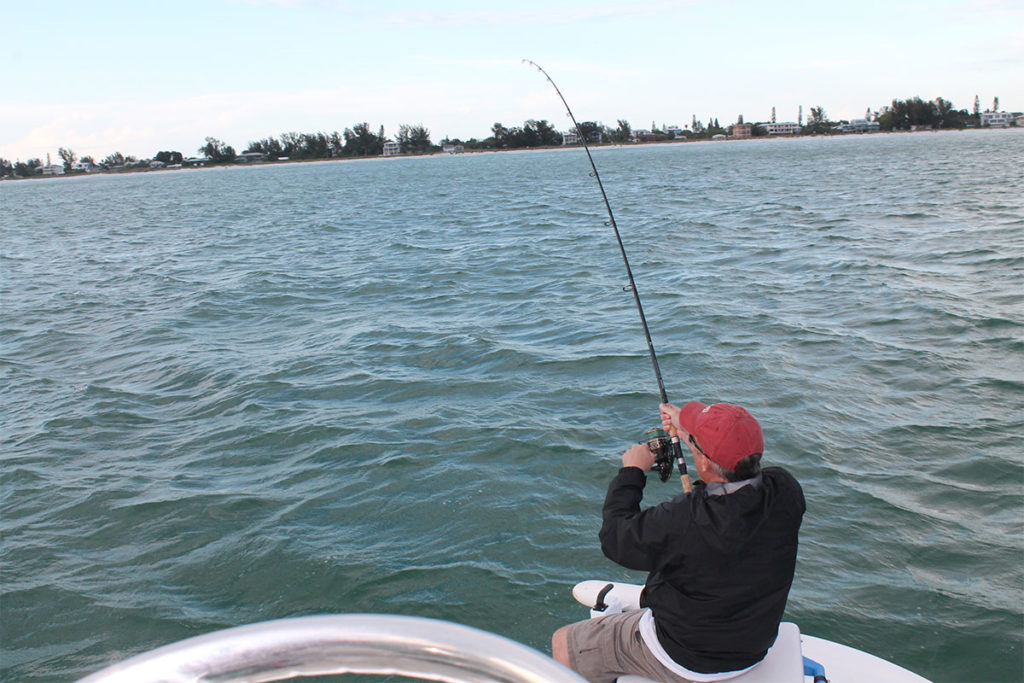
Tampa Bay sits in the middle of a major metro area, yet the fishing doesn't suffer. You can launch from a ramp in downtown St. Pete and be on productive water in ten minutes. Hotels, restaurants, and tackle shops line the coast. If you're traveling in, you don't have to choose between fishing and convenience. You get both.
Other top-tier fisheries often require long drives, limited lodging, and minimal infrastructure. Tampa Bay gives you world-class inshore fishing with all the amenities of a major city. That combination is rare, and it's part of what keeps anglers coming back.
Tides and Currents That Drive the Bite
Understanding tidal movement is critical in Tampa Bay. The bay's size and connection to the Gulf create strong currents that push baitfish, oxygenate the water, and trigger feeding windows. Outgoing tides pull bait out of the backcountry and stack fish along channel edges. Incoming tides flood the flats and activate shallow-water predators.
We've learned to time our trips around these movements:
- First light on an outgoing tide for snook along mangrove points
- Mid-morning incoming tide for redfish on the flats
- Afternoon high tide for trout over grass beds
- Evening outgoing tide for tarpon near passes and bridges
Local Knowledge That's Freely Shared
The Tampa Bay fishing community doesn't gatekeep. Guides, tackle shop owners, and fellow anglers are quick to share intel. Online forums and social media groups buzz with reports, tips, and photos. Tournaments bring anglers together and raise money for conservation. The culture here is collaborative, not cutthroat.
That openness accelerates the learning curve for newcomers and keeps veterans sharp. When conditions change or a new pattern emerges, word spreads fast. The collective knowledge base is deep, and it's accessible to anyone willing to ask questions and put in the time.
Weather Patterns That Favor the Angler
Tampa Bay's weather is predictable enough to plan around but dynamic enough to keep things interesting. Summer afternoons bring thunderstorms that cool the water and trigger feeding frenzies. Winter cold fronts push bait into the backcountry and concentrate fish in deeper holes. Spring and fall offer stable conditions with light winds and clear skies.
Key weather factors we watch:
- Wind direction and speed for choosing protected shorelines
- Barometric pressure changes that affect fish activity
- Water temperature swings that shift species locations
- Moon phases that influence tidal strength and feeding windows
- Rainfall that affects water clarity and salinity levels
Why the Bay Keeps Delivering
Tampa Bay doesn't coast on reputation. The fishing stays strong because the ecosystem is managed, the community cares, and the geography creates endless opportunities. We've fished other bays up and down the Gulf and Atlantic coasts. Some are good. A few are great. But none combine the species diversity, year-round action, and accessibility that Tampa Bay offers. Understanding what bait works best and knowing how weather impacts fishing will help you make the most of your time on the water. If you're ready to experience it firsthand, consider booking inshore light tackle charters or exploring tarpon fishing opportunities. If you're serious about inshore fishing, this is where you need to be. Not someday. Now.
Let’s Get You on the Water
We know Tampa Bay’s inshore fishing is something you have to experience to truly appreciate. If you’re ready to see what sets this bay apart, let’s plan your next adventure together. Give us a call at 813-444-5955 and let’s talk about your goals, or book your trip today and we’ll handle the rest. The fish are waiting, and so are we.
‹ Back
Recent Posts
-
Can Beginner Anglers Enjoy a Tarpon Fishing Trip in Tampa Bay?
October 13, 2026
-
Is Morning or Afternoon Fishing Better in Tampa Bay?
September 29, 2026
-
How Early Should You Arrive for a Tampa Bay Fishing Charter?
September 15, 2026
-
Can You Catch Snook Year-Round in Tampa Bay?
September 1, 2026
-
What Is the Average Cost of a Tampa Fishing Charter?
August 18, 2026