


By using our website, you agree to the use of cookies as described in our Cookie Policy
Most anglers think tarpon fishing is just about showing up when the migration hits. Cast a line, wait for the bite, reel it in. But Tampa Bay doesn't work that way — and if you're not ready for what these fish throw at you, you're in for a long day on the water. Tarpon aren't just big. They're smart, unpredictable, and built to test every piece of gear you own. Especially when conditions shift and the pressure's on.
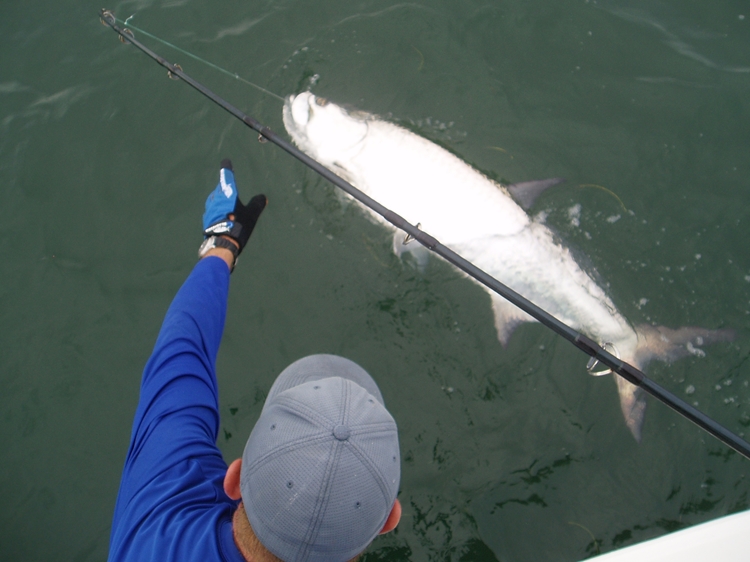
So here's the reality. If you're chasing silver kings in these waters, expect to earn it. Every hookup demands precision. Every fight requires endurance. And every trip should be grounded in understanding the bay's moods — not just where the fish were last week.
These Fish Don't Follow a Script
Tarpon move like ghosts through Tampa Bay. One day they're stacked up near a bridge, the next they've vanished into deeper channels or scattered across flats you'd never expect. They follow bait, sure, but they also respond to temperature swings, salinity shifts, and tidal pulses that most anglers overlook. Their patterns aren't predictable, and even when you locate a school, getting them to commit is a different game entirely.
They've survived millions of years by being cautious. That wariness shows every time you present a bait. They'll inspect it, circle it, sometimes ignore it completely even when it's sitting right in the strike zone. You can do everything right and still watch them swim past like you're not even there.
The Bay Throws Curveballs Constantly
Tampa Bay is a massive estuary where saltwater meets fresh, and the conditions change faster than most people realize. Tides rip through channels with enough force to pull your bait off course. Wind kicks up without warning and scatters fish that were holding tight minutes earlier. Water clarity swings from gin-clear to murky depending on rainfall, runoff, and current direction.
All of that matters when you're trying to stay on fish. What worked yesterday might be useless today because the tide's different, the wind shifted, or a storm rolled through overnight. We've seen anglers dial in a spot only to have it go cold the next morning. Adaptability isn't optional here — it's survival. Understanding how weather impacts fishing can make the difference between a productive day and a frustrating one.
Hooking One Is Just the Beginning
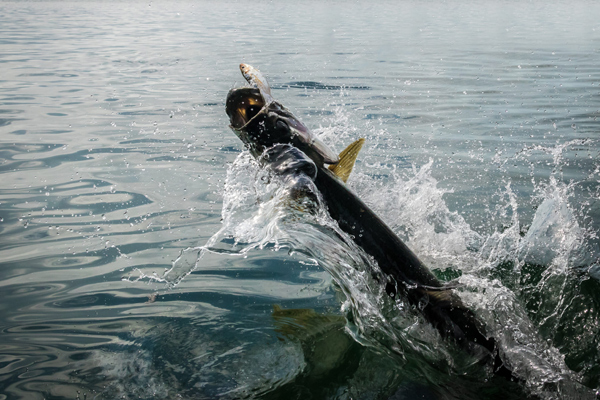
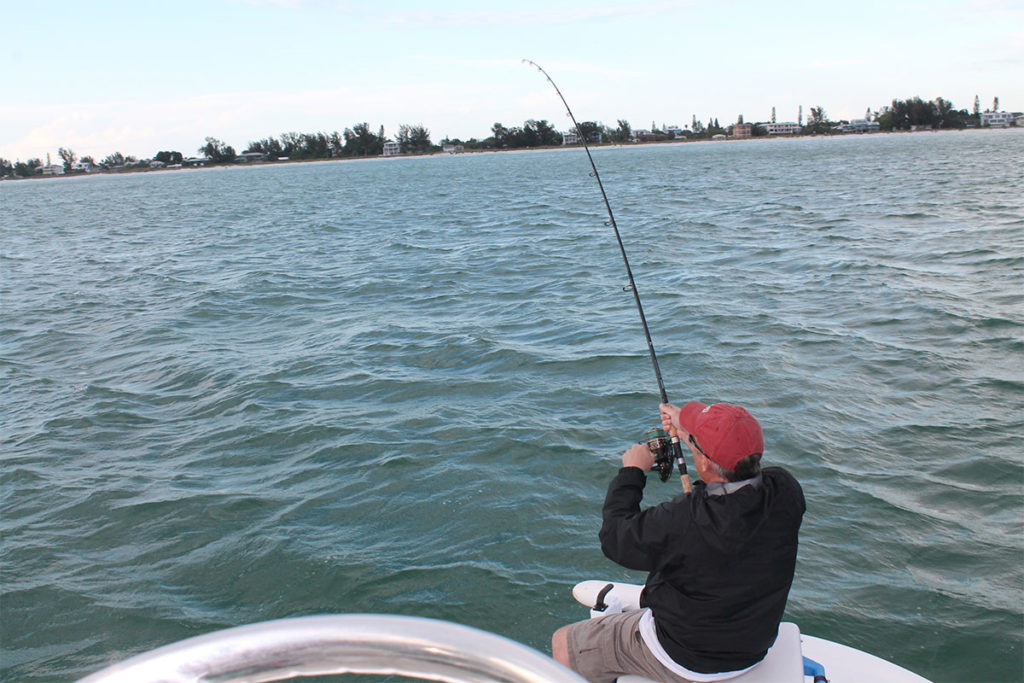
Once a tarpon takes your bait, the real test starts. These fish explode out of the water in a series of jumps that can snap lines, throw hooks, or leave you scrambling to keep tension. They're not just strong — they're acrobatic, violent, and relentless. A hundred-pound tarpon will test your drag, your knots, and your ability to stay calm under pressure.
Most fish are lost during the fight, not the hookset. Tarpon shake their heads with enough force to rattle everything loose. They make long, blistering runs that strip line faster than you can react. And they don't quit. Even after multiple jumps and several minutes of battle, they'll find another gear when you think you've got them beat.
Crowds and Educated Fish
Tampa Bay draws tarpon anglers from everywhere, especially during peak season. That means the fish see a lot of boats, a lot of baits, and a lot of noise. They learn fast. A lure that worked last week might get ignored this week because fifty other anglers have already thrown it. Tarpon become selective, cautious, and harder to fool as the season progresses.
Crowded fishing zones add another layer of difficulty. Positioning your boat becomes a chess match. Casting lanes get tight. And if you're not respectful of other anglers, you'll burn spots faster than you can find new ones. The pressure is real, and it shows in how the fish behave. Many anglers wonder why tarpon season draws so many anglers to these waters year after year.
Gear and Technique Demand Precision
You can't just grab any rod and expect to land a tarpon. The gear has to match the fight — heavy enough to handle the power, but balanced enough to present baits naturally. Your knots need to hold under extreme tension. Your leader has to withstand abrasion from their sandpaper mouths. And your hooks need to be sharp, strong, and sized correctly or they'll pull free on the first jump.
Fly fishing for tarpon raises the stakes even higher. You need pinpoint accuracy, perfect timing, and the ability to strip line fast enough to keep tension without spooking the fish. Even experienced anglers find themselves outmatched when the technical demands pile up. Here's what separates those who land fish from those who just hook them:
- Rod and reel combos built specifically for tarpon, not general saltwater use
- Leaders tested for abrasion resistance and knot strength under load
- Hooks sharpened before every trip and checked after every fish
- Drag systems calibrated to give line without breaking off
- Casting skills refined enough to hit tight windows in current or wind
The Mental Grind Wears You Down
Tarpon fishing isn't a numbers game. You can spend hours searching, casting, and waiting without a single bite. Some days you'll see fish but never get them to eat. Other days you'll hook one and lose it thirty seconds later. The mental side of this fishery is brutal, and it weeds out anglers who expect instant results.
Patience matters more than luck. Persistence beats talent when the bite's slow. And every trip teaches you something — even the ones that end without a fish in the net. The anglers who succeed here are the ones who show up ready to grind, learn, and come back smarter the next time. Experienced guides share valuable insights on making tarpon fishing less frustrating for anglers at every skill level.
What It Takes to Stay in the Fight
We've watched countless anglers underestimate what tarpon fishing in Tampa Bay demands. They show up with the wrong gear, fish the wrong tides, or give up after a few hours of silence. The ones who succeed are the ones who prepare, adapt, and respect the challenge. Here's what keeps you in the game:
- Understanding tidal movements and how they push bait through the bay
- Reading water conditions and adjusting presentation based on clarity and current
- Staying mobile instead of anchoring on one spot all day
- Practicing hooksets and fight techniques before the season starts
- Learning from every lost fish instead of blaming the gear
Conditions Change Faster Than You Think
One of the biggest mistakes we see is anglers locking into a single strategy and refusing to adjust. The bay doesn't care what worked last week. If the wind shifts, the fish move. If the tide slows, the bite dies. If a storm rolls through, everything resets. You have to stay flexible and read the water in real time.
That means watching for bait movement, monitoring temperature changes, and paying attention to how other anglers are doing. The best days on the water come from adapting faster than the fish can disappear. The worst days come from stubbornness. Knowing what to bring on a fishing charter helps you stay prepared for whatever conditions arise.
Why Anglers Keep Coming Back
Despite all the challenges, tarpon fishing in Tampa Bay remains one of the most sought-after experiences in saltwater angling. The difficulty is part of the draw. Every fish earned feels like a victory because it required skill, timing, and a little bit of luck. The explosive strikes, the aerial battles, and the sheer power of these fish create moments that stick with you long after the trip ends.
We've guided anglers through their first tarpon hookup and watched seasoned pros get humbled by fish they thought they had figured out. The bay doesn't play favorites. It rewards preparation, punishes mistakes, and keeps everyone honest. Here's what makes it worth the grind:
- The adrenaline rush of watching a tarpon explode on your bait
- The challenge of outsmarting fish that have seen every trick
- The satisfaction of landing a fish that tested every skill you have
- The camaraderie of sharing the water with anglers who respect the pursuit
- The stories that come from battles won and lost
Mistakes That Cost You Fish
Most lost tarpon come down to a handful of avoidable errors. Anglers get excited and set the hook too hard, ripping it free before the fish even knows it's hooked. Others don't check their knots and lose fish to weak connections. Some try to horse the fish in too fast and snap their line on a jump. The margin for error is thin, and the fish exploit every mistake.
Here's where most anglers go wrong:
- Setting the hook with too much force instead of letting the fish load the rod
- Using leaders that aren't rated for abrasion or tarpon-sized tension
- Failing to bow to the fish during jumps, which keeps tension on the line
- Fighting the fish too aggressively early in the battle
- Not maintaining constant pressure once the fish tires
Preparation Separates Success from Frustration
The anglers who consistently land tarpon in Tampa Bay are the ones who show up prepared. They've tested their gear, practiced their casts, and studied the tides before they ever leave the dock. They know which baits work in which conditions. They understand how to read the water and adjust on the fly. And they respect the fish enough to know that every hookup is earned, not given.
If you're serious about tarpon fishing here, treat it like the challenge it is. Invest in the right equipment. Learn the bay's rhythms. And be ready to put in the hours it takes to figure out what works. The fish won't make it easy, but that's exactly why landing one means something. Professional guides teach essential techniques on tarpon trips in Tampa Bay that can dramatically improve your success rate.
The Reward Matches the Effort
Tarpon fishing in Tampa Bay is hard because the fish are smart, the conditions are unpredictable, and the technical demands are high. But that's also what makes it one of the most rewarding pursuits in saltwater fishing. Every fish landed represents hours of preparation, split-second decisions, and the ability to stay calm under pressure. The challenge is real — and so is the payoff when everything comes together.
Ready to Take on the Challenge?
We know firsthand how thrilling and demanding tarpon fishing in Tampa Bay can be. If you're eager to put your skills to the test and experience the excitement of chasing these legendary fish, let’s make it happen together. Call us at 813-444-5955 to talk about your goals, or book your trip today and let’s get you on the water for an unforgettable adventure.
‹ Back
Recent Posts
-
How Early Should You Arrive for a Tampa Bay Fishing Charter?
September 15, 2026
-
Can You Catch Snook Year-Round in Tampa Bay?
September 1, 2026
-
What Is the Average Cost of a Tampa Fishing Charter?
August 18, 2026
-
What Fish Are Biting in Tampa Bay?
August 4, 2026
-
What Is the 90/10 Rule in Fishing?
July 21, 2026