


By using our website, you agree to the use of cookies as described in our Cookie Policy
Most first-timers think tarpon fishing is reserved for pros. Big fish, big fights, big experience required. But Tampa Bay doesn't care about your résumé. The Silver King shows up every season, and with the right captain, even someone who's never touched a rod has a legitimate shot. It's not about luck—it's about preparation, guidance, and understanding what you're walking into.
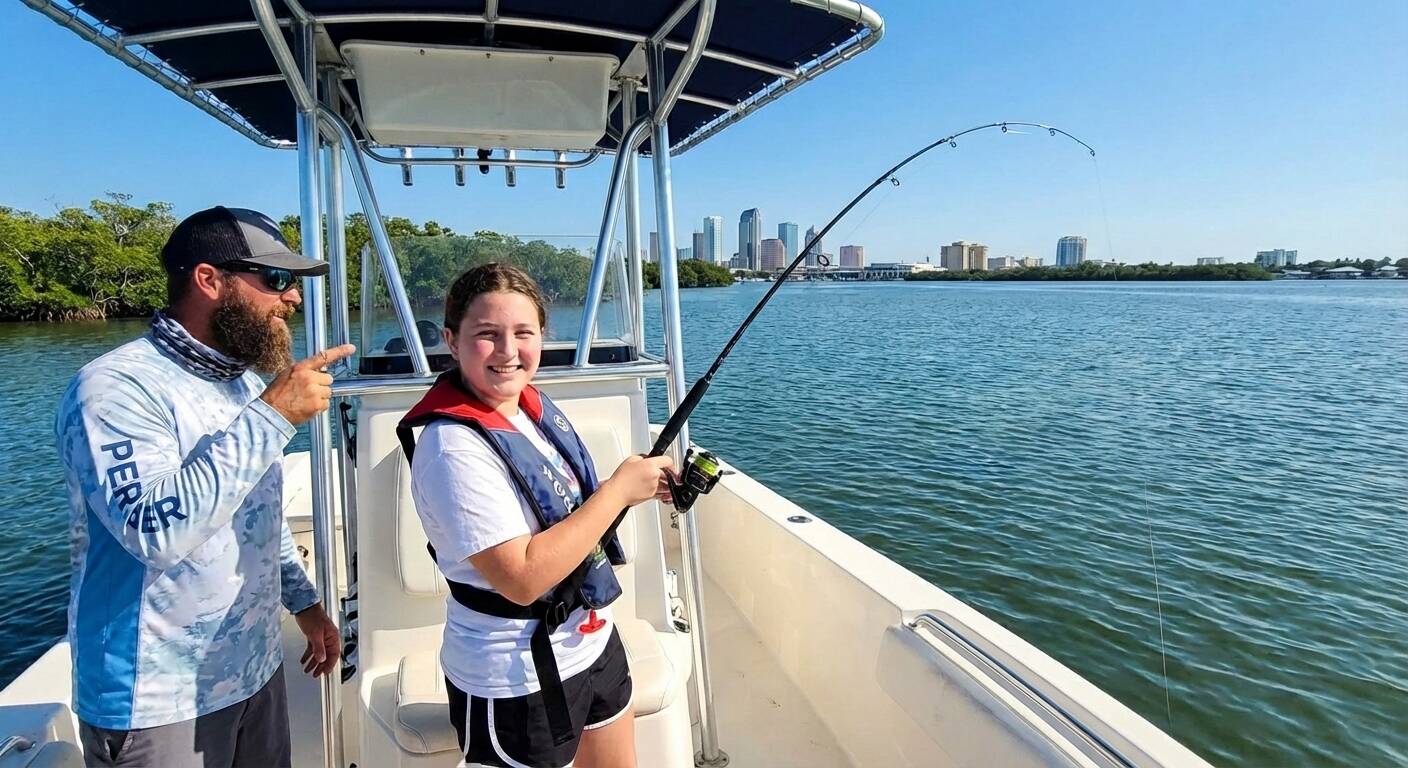
So here's the reality. Tarpon are powerful, unpredictable, and absolutely unforgiving if you don't know what you're doing. But that's exactly why charters exist. A good guide doesn't just put you on fish—they teach you how to handle them. Every hookset matters. Every adjustment to the drag counts. And every second of that fight is a crash course in what separates a story from a lost fish.
Tampa Bay Gives Beginners Real Odds
Tampa Bay isn't just another fishing spot. It's one of the most productive tarpon fisheries in the country, especially from late spring through summer when migration peaks. Shallow flats, deep channels, bridge pilings—tarpon use all of it. That variety means captains have options, and options mean you're not stuck hoping for a miracle.
The bay's structure also makes it easier to spot rolling fish. When tarpon surface to gulp air, experienced guides can position the boat and get you a clean shot. That visibility is a massive advantage for beginners who wouldn't know where to start on their own. You're not casting blind—you're casting with intent.
Your Captain Does More Than Drive the Boat
A charter fishing guide is your translator between ambition and execution. They know which tides bring fish in, which baits are working, and how to read the water when conditions shift. For someone new to the sport, that knowledge is the difference between a wasted trip and a legitimate chance at landing something unforgettable.
They also handle the technical side. Rigging tackle, adjusting drags, coaching you through the cast—none of that happens by accident. Most captains provide all the gear, so you're not fumbling with equipment you don't understand. They set you up to succeed, then walk you through every step once a fish commits.
What the First Fight Actually Feels Like
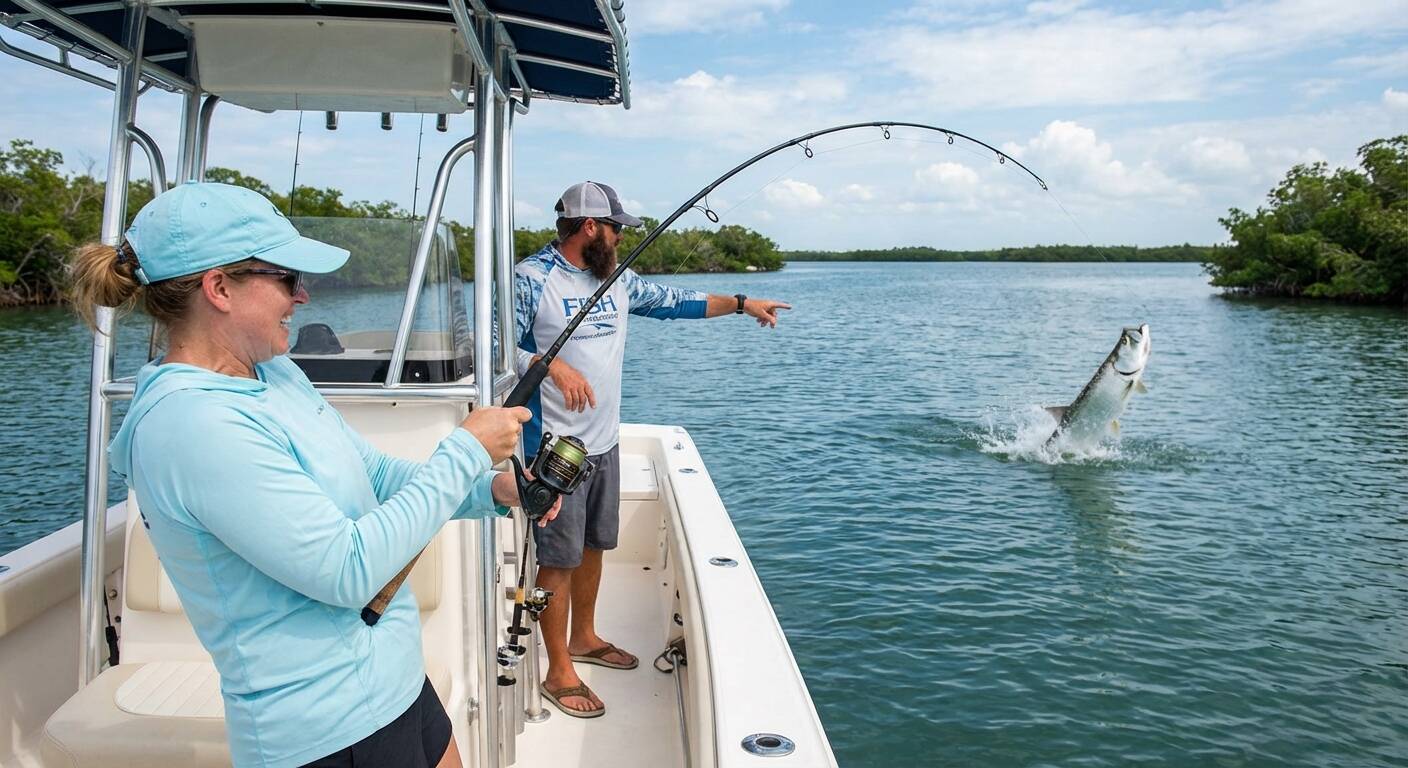
Hooking a tarpon is chaos in the best way. The strike is violent. The first jump is immediate. And if you're not ready, that fish will spit the hook before you even process what happened. Your captain will tell you when to set the hook—and how hard. Tarpon have bony mouths, so a weak hookset means you're just along for a short ride.
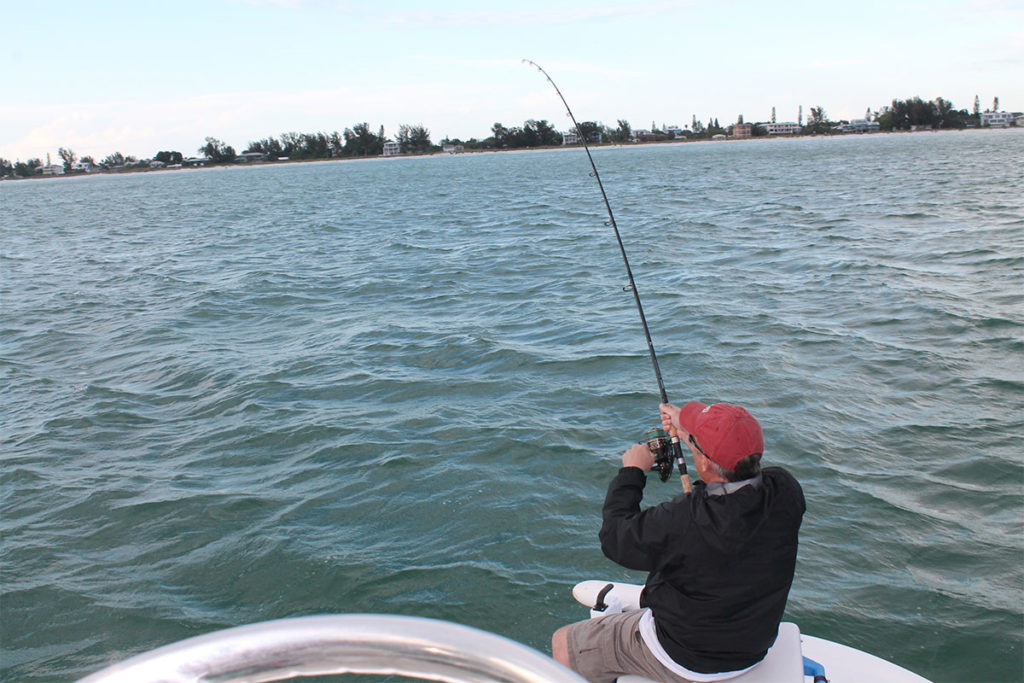
Once the fish is on, the real work starts. Tarpon don't tire quickly. They'll run, jump, and test every weak point in your setup. Your job is to keep tension on the line, adjust the drag as the fish changes direction, and listen when your captain tells you to reel or let it run. It's exhausting. It's exhilarating. And even if you lose the fish, you'll understand why people chase this feeling.
Mistakes Beginners Make Before They Even Cast
- Ignoring the captain's instructions: They've done this a thousand times. You haven't. Listen.
- Overthinking the cast: You don't need perfect form. You need the bait in front of the fish.
- Setting the hook too early: Wait for the captain's signal. Timing is everything.
- Panicking during the fight: Tarpon are strong, but they're not invincible. Stay calm and follow directions.
- Forgetting sun protection: Sunburn ruins trips. Bring a hat, sunscreen, and water.
Gear That Actually Matters
Most charters provide everything, but it helps to know what you're working with. Tarpon rods are longer and heavier than typical inshore setups. Reels need serious drag capacity because these fish will test it. Leaders are thick—tarpon have rough mouths and gill plates that shred lighter line.
Bait varies depending on what's available and what the fish are eating. Live crabs, mullet, and threadfin herring are common choices. Your captain will rig it, present it, and tell you when to let the fish take it. All you need to do is stay ready and trust the process.
Why Some Beginners Land Fish and Others Don't
- They stay patient: Tarpon fishing isn't instant. Sometimes you wait. Sometimes you reposition. The fish show up when they show up.
- They follow instructions exactly: Captains don't give advice for fun. Every cue matters.
- They keep pressure on the fish: Slack line is how you lose tarpon. Keep the rod bent and the drag engaged.
- They don't force the fight: Let the fish tire itself out. Trying to muscle it in early just increases the chance of a thrown hook.
- They celebrate the experience, not just the catch: Even a lost fish is a win if you learned something.
The Learning Curve Is Shorter Than You Think
Tarpon fishing has a reputation for being difficult, and it is—but not in the way most people assume. The hard part isn't the casting or the gear. It's the mental game. Staying focused during a long fight. Trusting your captain when instinct tells you to do something else. Accepting that even perfect execution doesn't guarantee a landed fish.
But here's the thing: every trip teaches you something. Every missed hookset sharpens your timing. Every lost fish makes you better at managing the next one. Beginners who go out with realistic expectations and a willingness to learn often surprise themselves. And the ones who don't land a fish on the first trip? They book another one.
What Separates a Good Charter from a Great One
- Experience with beginners: Not every captain has the patience to teach. Find one who does.
- Knowledge of current conditions: Tarpon move. A great captain knows where they are today, not last week.
- Quality gear: You shouldn't be fighting a tarpon with equipment that's barely holding together.
- Clear communication: You need a captain who explains what's happening and why, not one who just barks orders.
- Realistic expectations: A good guide won't promise you'll land a fish. They'll promise you'll have a legitimate shot.
Preparation That Pays Off
Show up ready to learn. Ask questions before the trip starts. Understand that tarpon fishing is physically demanding—if you're not in great shape, that's fine, but know you'll be working. Bring water, snacks, and anything you need to stay comfortable for several hours on the water.
Most importantly, trust your captain. They've put beginners on tarpon before. They know what works. Your job is to execute what they teach you, stay focused during the fight, and enjoy the process. The fish will either come to the boat or it won't—but either way, you'll walk off that charter with a better understanding of what it takes.
Why Tampa Bay Keeps Delivering
Tampa Bay isn't a fluke. It's a proven fishery with consistent tarpon season runs, experienced guides, and conditions that favor beginners. The combination of accessible water, abundant baitfish, and a charter industry built around education makes it one of the best places to learn. You're not gambling on a random trip—you're stacking the odds in your favor.
And when you do hook that first tarpon, everything clicks. The preparation, the coaching, the fight—it all makes sense. That's the moment most beginners realize this isn't just fishing. It's something bigger. And Tampa Bay is where it happens. Understanding what guides teach on tarpon trips can help you prepare mentally for the experience. Learning how to choose the right charter fishing guide ensures you're working with someone who understands beginner needs. Before you book, make sure you know what to bring on a fishing charter so you're fully prepared for the day ahead.
Ready to Chase Your First Tarpon?
We know the thrill of that first hookup and the satisfaction of learning something new on the water. If you're ready to see what Tampa Bay tarpon fishing is all about, let's make it happen together. Give us a call at 813-444-5955 to talk through your questions, or book your trip today and let’s get you on the water for an unforgettable experience.
‹ Back
Recent Posts
-
How Early Should You Arrive for a Tampa Bay Fishing Charter?
September 15, 2026
-
Can You Catch Snook Year-Round in Tampa Bay?
September 1, 2026
-
What Is the Average Cost of a Tampa Fishing Charter?
August 18, 2026
-
What Fish Are Biting in Tampa Bay?
August 4, 2026
-
What Is the 90/10 Rule in Fishing?
July 21, 2026