



By using our website, you agree to the use of cookies as described in our Cookie Policy
Most anglers think charters are just about catching fish. Hook something big, snap a photo, call it a day. But Tampa Bay's waters demand more than that — and if you're not thinking through the time, the cost, and what you're actually after, you're setting yourself up for disappointment. Half day trips may look like a shortcut, but they leave a mark on your experience. Especially if you're chasing specific species or trying to maximize what the bay has to offer.
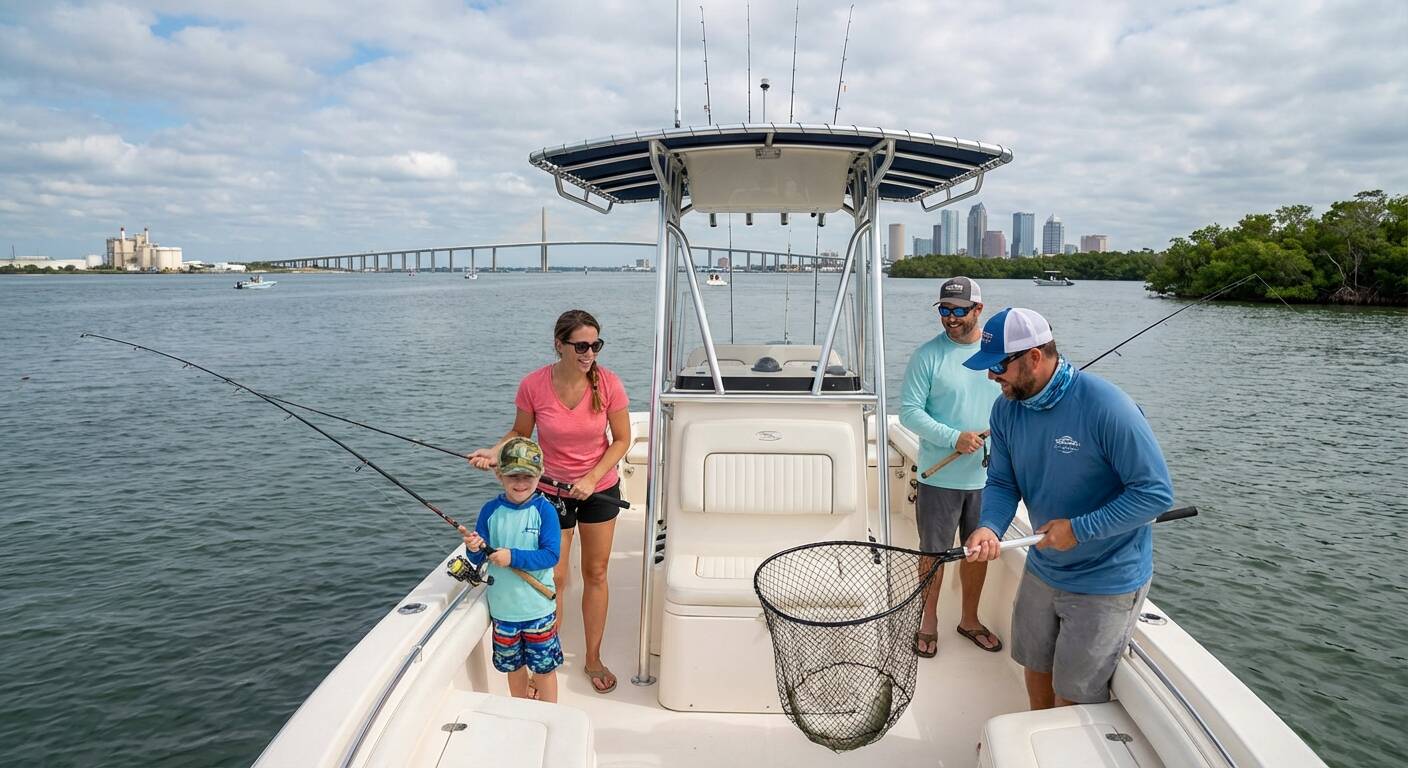
So here's the reality. If you're booking a charter to test the waters or squeeze fishing into a packed schedule, that's fine. Just don't treat those four hours like they're the same as eight. Every minute should count. Every decision needs to match your goals. And every trip should be grounded in what you want to catch — not just what fits your calendar.
When Four Hours Is Enough and When It Isn't
Nine times out of ten, half day charters work for casual anglers. You show up, you fish, you head back — that's the deal, not a deep-sea expedition. The bay doesn't care how long you booked, only whether you fished smart and whether conditions lined up.
But if you're targeting trophy fish or offshore species? Different game entirely. Half day trips keep you inshore or nearshore, which means you're working shallower structure and tighter windows. We see this play out constantly with visiting anglers. Plenty assume four hours is plenty — it's not. And when the bite window closes early, there's no time left to pivot unless you planned for it from the start.
The Money You Save Upfront
You can't write off the full experience when you book half the time — that's just paying for access, not results. But the cost difference? That's real savings. Charter companies generally charge less for shorter trips, and that opens doors for anglers testing new captains or trying different techniques.
Here's where that matters most:
- Budget-conscious families can afford multiple trips instead of one long haul
- First-timers avoid overpaying before they know if they even enjoy it
- Repeat visitors can sample different guides without draining their wallets
- Groups splitting costs find half days easier to coordinate and fund
- Anglers combining fishing with other vacation plans keep spending balanced
Fatigue Hits Harder Than You Think
Want to stay sharp on the water? You'll need energy — and stamina you might not have after six hours of sun, motion, and repetitive casting.
The bay has three main drains on your reserves:
- Heat and UV exposure wear you down faster than you realize
- Constant movement on a rocking boat taxes your core and legs
- Mental focus required for reading bites and setting hooks compounds over time
Miss one of those, and the trip falls apart. Even if you technically stayed on the boat the whole time. And if kids or older anglers are involved? That fatigue portion multiplies. No one enjoys a meltdown two hours before docking, even if the fishing was solid early on.
The Bay Has Limits and So Does Your Window
If you're fishing inshore structure, four hours gives you enough runway to hit multiple spots. But if your target species roams deeper channels or offshore reefs, there's a ceiling on what you can reach.
Most half day charters stick within a few miles of the launch. That keeps travel time low and fishing time high — but it also means certain species stay out of range. Snook, redfish, trout, and tarpon? All accessible. Grouper, kingfish, or pelagics? You'll need more time and distance to make that happen.
Your Success Rate Is Only As Good As Your Timing
Want to land fish consistently? Pick your departure window. You'll need more than a random booking slot to align with peak feeding times.
Here's what your timing strategy should include:
- Early morning trips that catch the dawn bite before the sun climbs
- Tide charts showing incoming or outgoing flow during your window
- Captain input on recent patterns and what's been producing
- Seasonal considerations for species migration and spawning cycles
- Weather forecasts that won't blow out your trip or kill visibility
If the bay's conditions shift mid-trip, there's less time to adapt. Mixing poor timing with a short charter is one of the fastest ways to come back empty-handed. So if that perfect tide window falls outside your booked slot, you'd better have flexibility built into your schedule.
Where Most Anglers Get It Wrong
Trying to cram offshore ambitions into an inshore timeframe? The bay won't cooperate. Unrealistic expectations about range and species can cost you satisfaction or even create friction with your captain. Most anglers stay grounded by researching what's actually reachable or asking their guide upfront what makes sense for the time booked.
Skipping the Prep Work
Don't wait until you're on the boat to figure out what you're targeting. If you show up without a plan, you're wasting the captain's knowledge and your own time. Clarify goals before departure. It's simple. It works. Understanding how to properly prepare for your Tampa Bay fishing charter can make all the difference in your success rate.
Assuming All Charters Are Equal
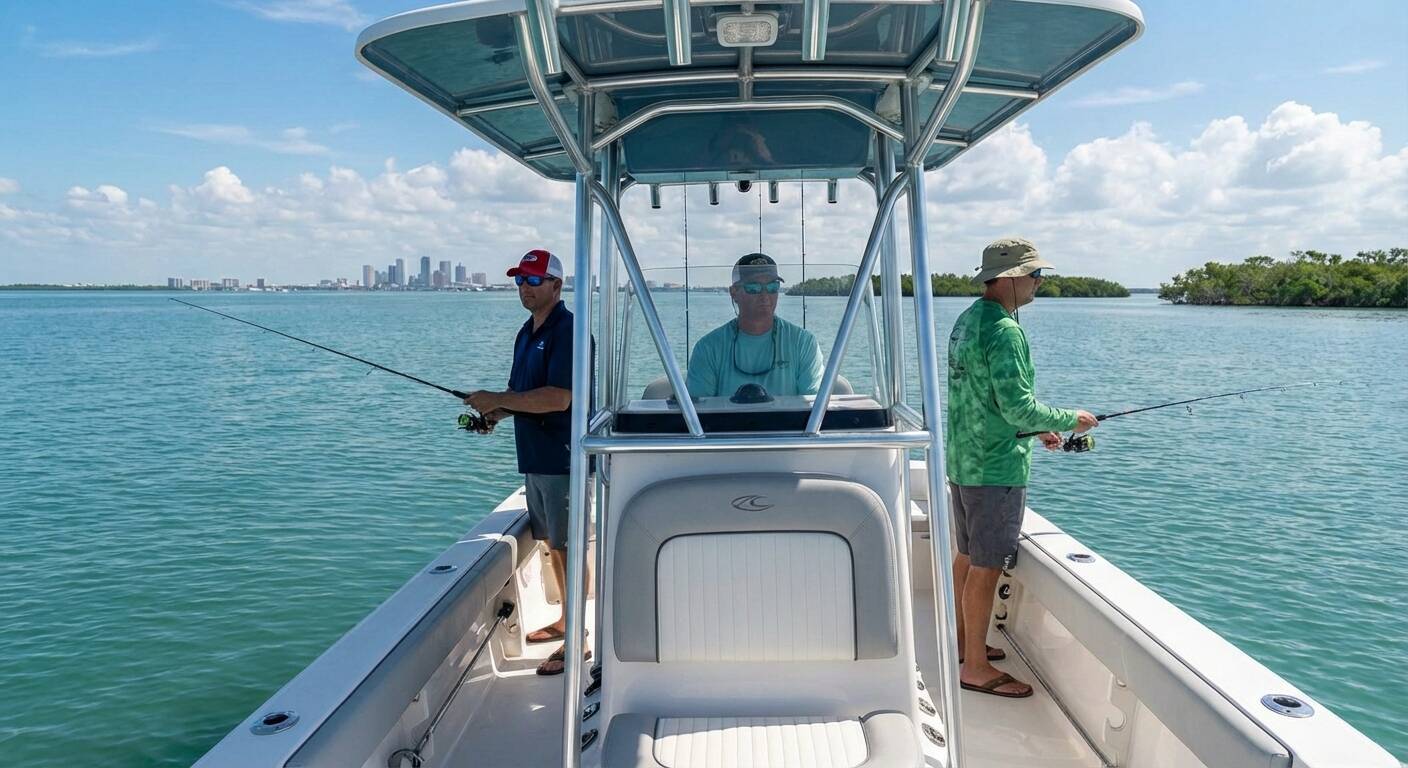
If you booked the cheapest option without vetting the captain or reading reviews, that's a gamble. Not all guides fish the same spots or offer the same experience. Do your homework or risk spending four hours with someone who doesn't match your style. Learning how to choose the right charter fishing guide in Tampa Bay helps you avoid costly mistakes.
Who Actually Benefits From Half Day Trips
If your schedule includes beach time, family dinners, or other vacation priorities, half day charters fit cleanly into the gaps. They work for anglers who want a taste of Tampa Bay fishing without sacrificing the rest of their itinerary.
Here's who gets the most value:
- Families with young kids who can't handle full day sun exposure
- First-time charter clients testing the waters before committing longer
- Casual anglers prioritizing fun over trophy hunting
- Visitors balancing fishing with sightseeing or other activities
- Local anglers squeezing in a quick trip on a weekday morning
When to Book the Longer Haul
If your target list includes offshore species, multiple techniques, or serious trophy potential, half days won't cut it. A longer charter gives you room to travel farther, adjust tactics, and capitalize on extended bite windows. Understanding what to expect during a full day fishing charter in Tampa Bay helps you decide if the extra time is worth it. It's not just about catching more fish this trip. It's about setting up the kind of experience that matches what you're actually chasing on the water.
The Verdict From the Docks
Booking a charter isn't the hard part. Matching your expectations to the time you've got — and defending that choice when conditions shift — that's where anglers get caught off guard. There's no excuse for poor planning when the fish are there for the taking. But there's also no do-over when you realize halfway through that you needed more time. Knowing what to bring on a fishing charter in Tampa Bay and understanding how weather impacts fishing in Tampa Bay are essential for maximizing your limited time. Half day charters work for most anglers in Tampa Bay, but only if you're honest about what you want and realistic about what four hours can deliver.
Ready to Make the Most of Your Time on the Water?
We know every angler’s goals are different, and that’s why we’re here to help you get the most out of your Tampa Bay fishing adventure—whether you’re after a quick morning bite or planning a full day on the water. Let’s talk about what you want to catch and how we can make it happen. Give us a call at 813-444-5955 or book your trip today to lock in your next fishing experience with a team that knows Tampa Bay inside and out.
‹ Back
Recent Posts
-
Is Morning or Afternoon Fishing Better in Tampa Bay?
September 29, 2026
-
How Early Should You Arrive for a Tampa Bay Fishing Charter?
September 15, 2026
-
Can You Catch Snook Year-Round in Tampa Bay?
September 1, 2026
-
What Is the Average Cost of a Tampa Fishing Charter?
August 18, 2026
-
What Fish Are Biting in Tampa Bay?
August 4, 2026