




By using our website, you agree to the use of cookies as described in our Cookie Policy
Chasing big snook in Tampa Bay means skipping the uncertainty. Most of the time, the biggest fish aren’t scattered everywhere. They’re tucked into the best ambush spots. Not every mangrove tangle is worth your time. Focus on deeper pockets, small gaps in the roots, and shaded overhangs where the current brings bait right to the fish. These details separate a slow day from a day you’ll remember.
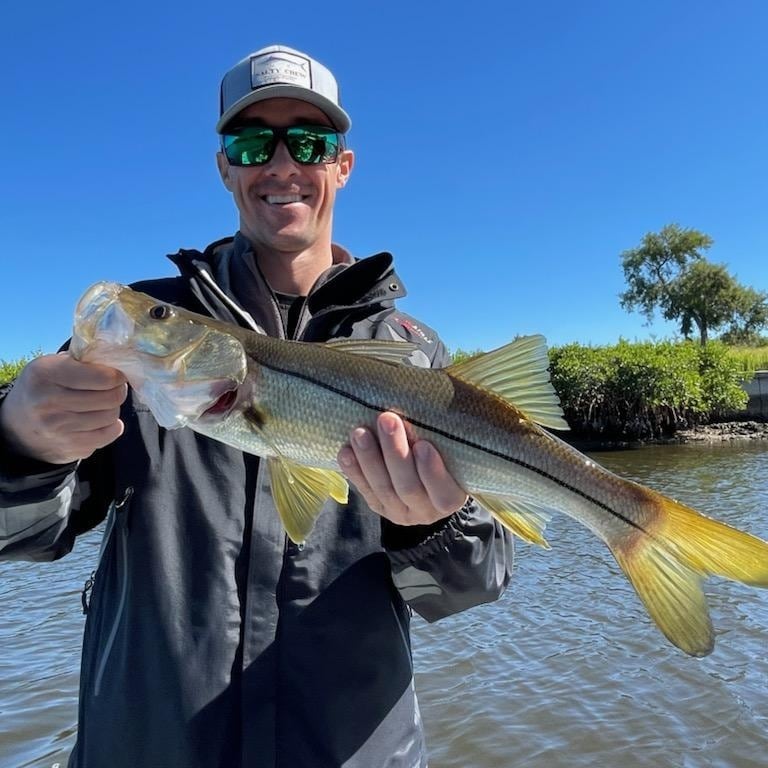
- Points and corners where water sweeps past roots draw the most action
- Deeper holes tight to the mangrove edge hold bigger fish, especially at midday
- Shade lines matter. Snook use them to stay hidden and cool
- Baitfish schools signal a feeding zone; snook rarely stray far from the buffet
- Watch for subtle swirls or flashes under the branches. These are giveaways
Every mangrove edge tells a story. Spend time watching the water, and patterns start to jump out. The more you fish these spots, the easier it gets to spot the places where snook stage. For a deeper look at what makes Tampa Bay’s waters so productive, see what makes spring the prime time for Tampa Bay fishing.
Dialing in Your Cast and Lure
Landing a big snook starts with the right cast. Most anglers miss fish by casting too short or too wide. The best approach is low and parallel to the mangrove line, letting your lure swim right where snook hunt. Skip soft plastics or jigs under the branches. Don’t just aim near the cover, get under it. Sidearm casts and skipping baits into tight pockets put you in the strike zone. When it comes to lure color, contrast wins. In Tampa Bay’s tannin-stained water, white, chartreuse, and gold pop. On cloudy days, root beer or black gets noticed.
- Cast low and parallel for maximum lure exposure
- Skip baits under overhanging branches to reach untouched fish
- Bright colors in stained water, natural tones in clear water
- Topwater plugs at dawn or dusk trigger explosive strikes
- Gold spoons work when snook turn picky
Adjusting your cast and lure selection changes everything. Some days, snook want a subtle approach. Other days, they chase anything that flashes. Weather and water clarity play a role, so stay flexible. For a breakdown of seasonal snook patterns, check best times to catch snook in Tampa Bay. Want to see what gear holds up to these conditions? Take a look at must-have fishing gear for Tampa Bay inshore fishing charters.
Controlling the Fight
Hook a big snook and the real work begins. These fish don’t hesitate. They bolt for the roots. The first run is fast and violent. Keep the rod tip low, apply steady pressure, and steer the fish away from cover. Light tackle means you can’t just haul them out. Let a snook turn its head toward the mangroves, and you’re done. The trick is to keep them moving, never letting them wrap you up. Quick hands and a cool head land more fish than brute force. If you want to see how our guides handle these battles, see tactics locals use for inshore light tackle fishing in Tampa Bay.
- Keep the rod tip low to control the fish’s direction
- Apply steady, even pressure. Don’t jerk or pump the rod
- Move your feet if needed to keep the fish away from roots
- Stay patient. Rushing the fight leads to lost fish
Handling Snook the Right Way
Snook fight hard but don’t handle rough treatment. Wet your hands before touching them. Support their belly, not just the jaw. Keep them in the water as much as possible. If you want a photo, have everything ready. Don’t fumble while the fish gasps. Barbless hooks make release quick and clean. A gentle touch keeps the population strong and the fishing world-class. For a look at how our team protects local fish, see how Tampa Bay redfish guides protect local fish populations.
- Always wet your hands before handling snook
- Support the fish’s belly and avoid squeezing
- Keep the fish in the water as much as possible
- Use barbless hooks for easier, safer release
- Have cameras and tools ready before lifting the fish
Common Mistakes That Cost Fish
Snook fishing rewards attention to detail. Most lost fish come down to the same mistakes:
- Setting the hook too hard. Light leaders snap
- Letting the fish turn toward the mangroves after the strike
- Using heavy gear that spooks wary snook
- Handling fish with dry hands or squeezing too tight
- Ignoring local regulations and size limits
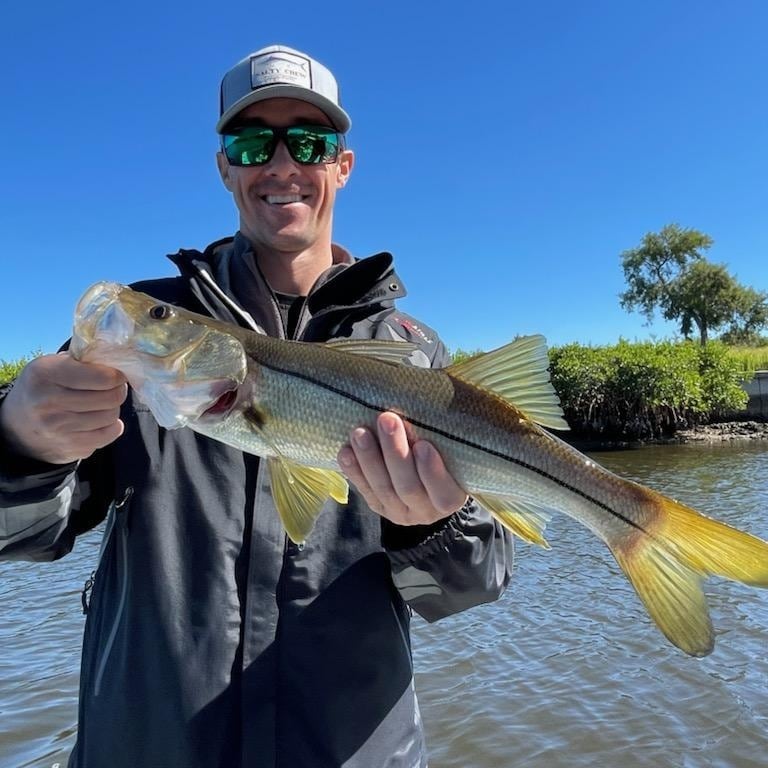
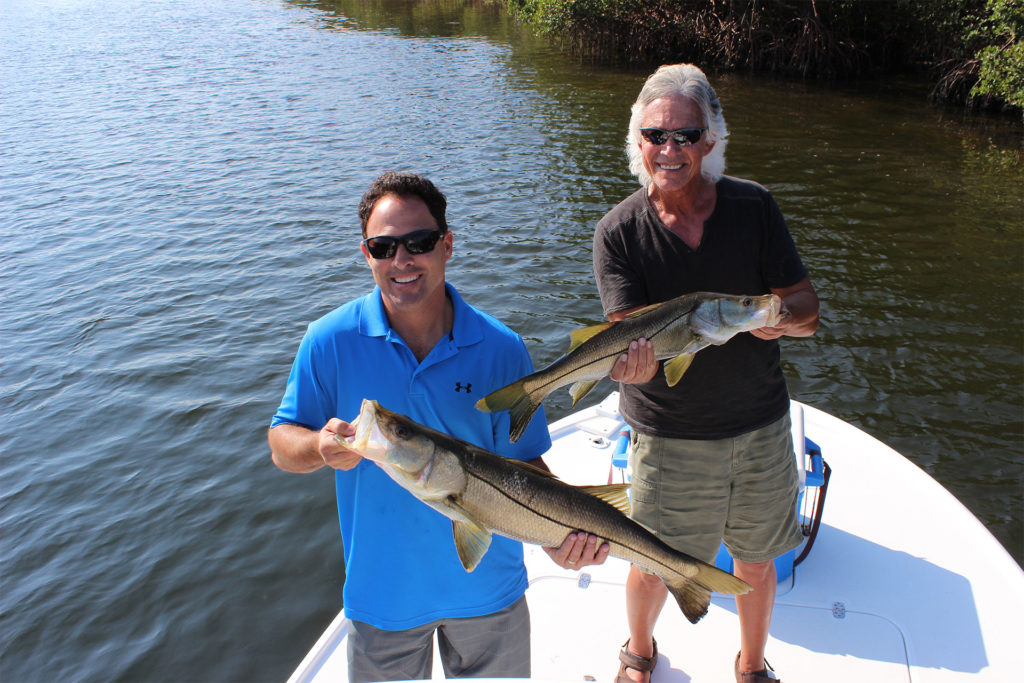
Over and over, anglers lose fish for these reasons. Check your leader strength. Sharpen your hooks. Handle every fish with care. For a checklist that keeps you ready, see how to properly prepare for your Tampa Bay fishing charter. Need proof that the right approach pays off? The photo gallery is packed with big snook and satisfied anglers who got it right.
Book Your Tampa Bay Snook Charter Now
Ready to chase snook near the mangroves with a team that knows Tampa Bay inside and out? Call 813-540-4202 or contact us to get your trip on the books. At Fishing Guide Tampa Bay, we make every charter count. You can focus on the fish, not the uncertainty.
‹ Back
Recent Posts
-
Is Morning or Afternoon Fishing Better in Tampa Bay?
September 29, 2026
-
How Early Should You Arrive for a Tampa Bay Fishing Charter?
September 15, 2026
-
Can You Catch Snook Year-Round in Tampa Bay?
September 1, 2026
-
What Is the Average Cost of a Tampa Fishing Charter?
August 18, 2026
-
What Fish Are Biting in Tampa Bay?
August 4, 2026