



By using our website, you agree to the use of cookies as described in our Cookie Policy
Most anglers think Tampa's just another coastal city with decent fishing. But the Gulf Coast doesn't mess around — and if you're not paying attention to the waterways here, you're missing out. Tampa Bay alone gives you access to flats, channels, and deep water runs. Add in the rivers and you've got variety most cities can't touch. Especially if you're serious about targeting multiple species year-round.
So here's the reality. If you're pulling up to a random pier hoping for luck, that's fine. Just don't expect consistent results. Every fishing spot has its own rhythm. Every species follows a pattern. And every smart angler should be thinking about tides, structure, and bait — not just what looks good on a map.
The Bay Holds More Than You Think
Nine times out of ten, Tampa Bay is the best option for anyone chasing saltwater action. You've got structure, you've got baitfish — that's feeding ground, not guesswork. The bay doesn't care how fancy your gear is, only whether you're fishing the right depth and timing the tide.
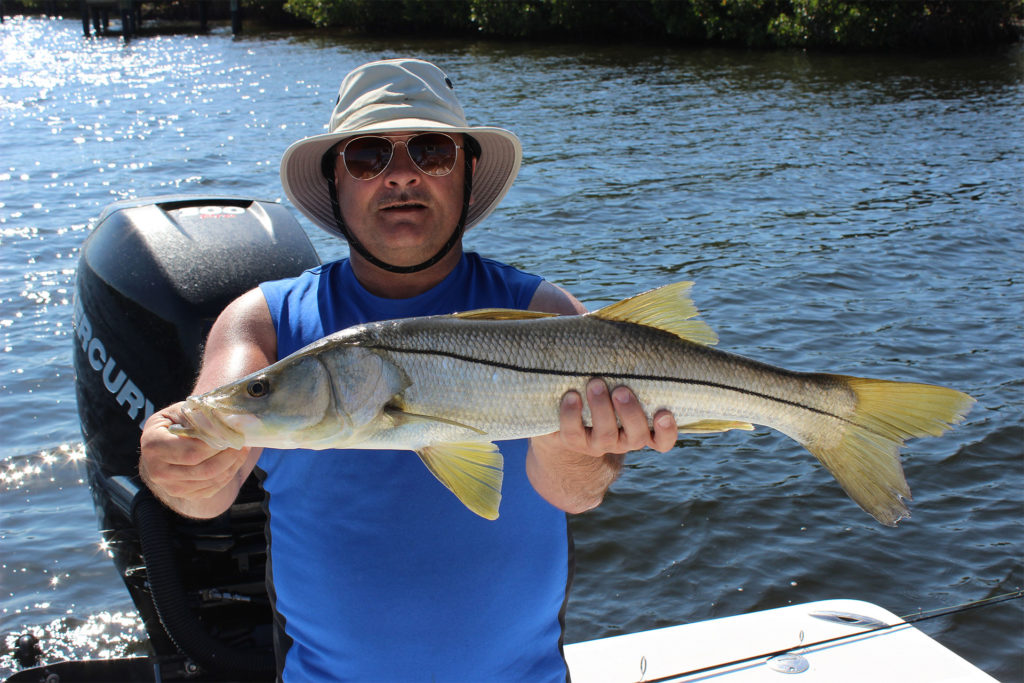
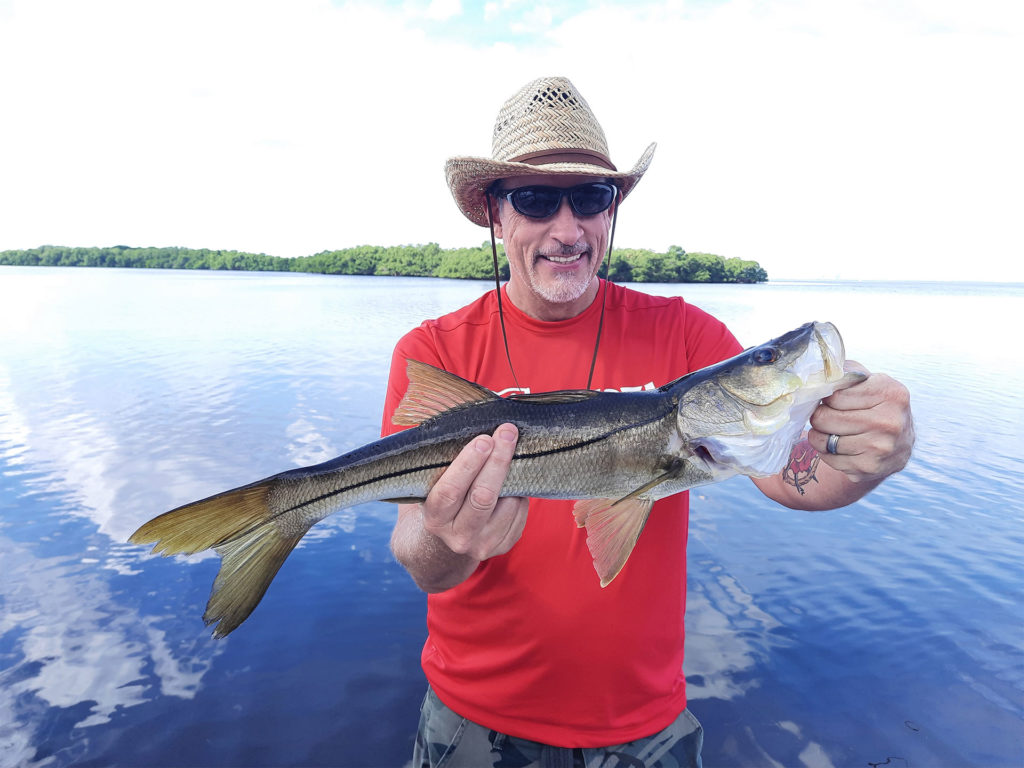
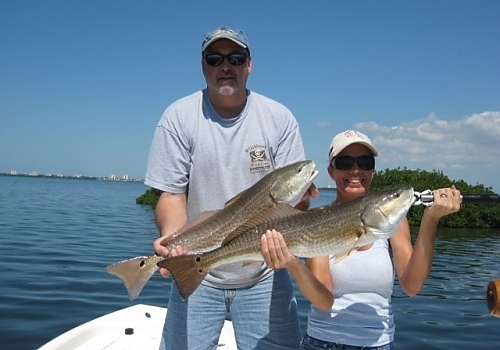
But here's where it gets interesting. Not all sections of the bay fish the same. The lower bay near the Skyway Bridge pulls in tarpon and kingfish. The middle bay around the Courtney Campbell Causeway is loaded with trout and redfish. And the upper bay? That's where snook and flounder hang near the grass flats. If you're not adjusting your approach based on location, you're fishing blind.
Where the Structure Pays Off
You can't write off bridges and piers — that's where current meets concrete. The structure creates ambush points, and the fish know it. We've watched anglers pull snapper, grouper, and cobia from spots most people drive past without a second thought.
Here's where that structure matters most:
- Sunshine Skyway Bridge: Deep water access, strong current, and year-round action for big game species like tarpon fishing and goliath grouper
- Gandy Bridge: Shallow grass flats on one side, deeper channels on the other — trout and redfish stack up here during moving tides
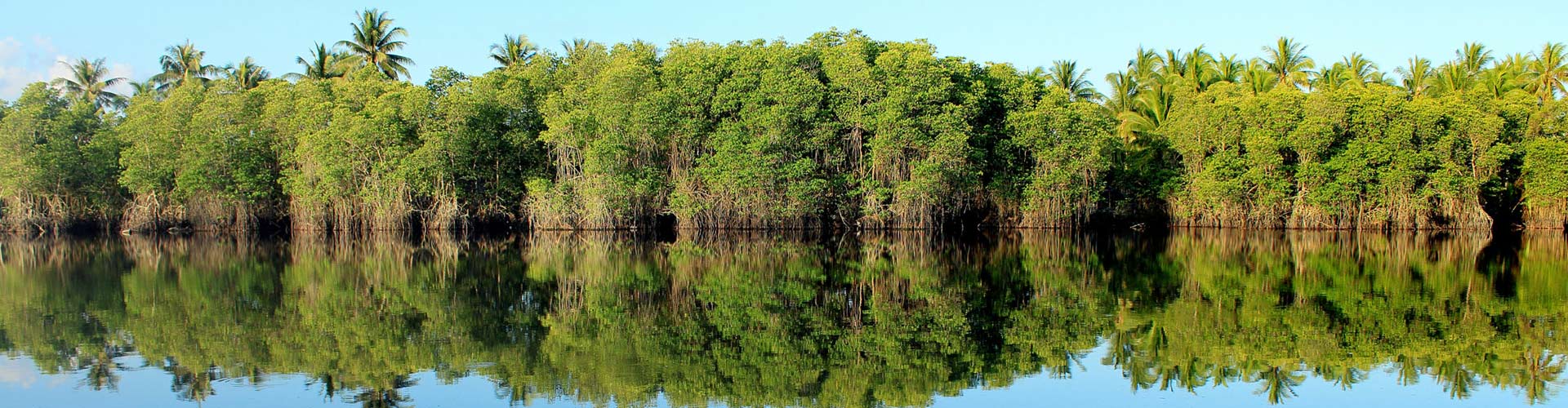
- Courtney Campbell Causeway: Mangrove shoreline with rocky底, perfect for snook at dawn and dusk
- Davis Islands Seawall: Urban fishing with surprisingly good numbers of snook, jacks, and sheepshead
- Apollo Beach Power Plant: Warm water discharge creates a winter haven for tarpon, snook, and manatees — but crowds can get thick
When Freshwater Makes More Sense
Want to target bass instead of salt? You'll need to shift your thinking — and your tackle. The Hillsborough River cuts through Tampa and holds largemouth bass, bluegill, and catfish. It's not as flashy as bay fishing, but the action can be steady if you work the docks and fallen timber.
The river's tidal influence near downtown means you're still dealing with current and baitfish movement. Most freshwater anglers ignore that and wonder why their bite dies. If the tide's ripping through, bass will tuck behind structure. If it's slack, they'll roam the grass edges. Timing matters here just like it does in the bay.
The Spots Most Locals Hit First
If you're new to Tampa or just want reliable action without a boat, these are the go-to spots that produce year after year. They're not secret — but they work because the habitat and access line up.
- Ballast Point Pier: Free access, lights for night fishing, and consistent trout and redfish in the shallows
- Picnic Island Park: Kayak-friendly flats with mangrove shoreline, solid for sight fishing redfish
- E.G. Simmons Park: Multiple piers, calm water, family-friendly with decent sheepshead and mangrove snapper
- Ben T. Davis Beach: Shallow flats that light up during summer for trout and ladyfish
- Cypress Point Park: Less crowded, good for snook and jacks along the mangrove line
The Skyway Gets the Hype for a Reason
If your average fishing trip stays within sight of shore, the Skyway Bridge is where that changes. The old bridge sections now serve as fishing piers, and they drop straight into channels that hold pelagic species most piers never see.
You'll need heavier tackle and cut bait or live bait that can handle current. But when tarpon, king mackerel, or goliath grouper show up, you'll understand why anglers drive hours just to fish here. It's not a beginner spot — but it's the kind of place that separates casual fishing from serious targeting.
Tides Run the Show
Want to keep fish on the line? Pay attention to the water movement. Tampa Bay is tidal, and that means everything from baitfish to predators follows the current.
Here's what your timing should reflect:
- Incoming tide pushes bait into shallow flats and mangroves — snook and redfish move in to feed
- Outgoing tide pulls bait toward channels and drop-offs — trout and flounder stage along the edges
- Slack tide slows the action but concentrates fish near structure like docks and pilings
- Dawn and dusk amplify feeding windows regardless of tide — but combining both is your best bet
- Full and new moons create stronger tides and bigger feeding windows — plan your trips accordingly
Gear and Bait Should Match the Target
Don't show up with bass tackle expecting to land a tarpon. And don't bring offshore gear to a trout flat. The fish don't care about your budget — they care whether your setup matches their behavior.
Most Tampa anglers run medium-action spinning rods with 15-20 lb braided line for inshore light tackle work. That covers trout, redfish, snook, and most mangrove species. If you're hitting the bridges or piers, bump up to medium-heavy with 30-40 lb braid. Live shrimp, pinfish, and pilchards are universal baits here, but artificial lures work when you match the hatch.
Regulations Aren't Suggestions
Trying to keep undersized fish or ignoring slot limits? The Florida Fish and Wildlife Conservation Commission won't find that clever. Sloppy rule-following can cost you real money or even your fishing privileges. Most anglers play it safe by checking the FWC app before every trip — and plenty stay on track by measuring every keeper and releasing the rest.
Where Anglers Waste Their Time
If you're fishing the same spot every trip without adjusting for season or conditions, you're leaving fish on the table. Tampa's waters shift throughout the year. Tarpon migrate in summer. Snook move to warmer water in winter. Trout scatter when water temps spike.
Don't wait until you've burned through three trips to realize the pattern changed. Track water temps, follow tide charts, and adjust your target species based on what's actually active. Understanding how weather impacts fishing helps you plan better. It's not glamorous. It works.
When Hiring a Guide Makes Sense
If your fishing mix includes multiple species, tidal patterns you don't understand, or gear you've never used, you're in territory where trial and error gets expensive. A local guide helps you identify which spots are producing right now, apply techniques that match current conditions, and avoid wasting time on dead water.
It's not just about catching more fish this trip. It's about learning the system so your next twenty trips produce consistently. We've seen anglers cut their learning curve in half by spending one day with someone who already knows the bay. Knowing how to choose the right charter fishing guide can make all the difference in your fishing success.
Answers to What Most Anglers Ask
Can I fish Tampa Bay without a boat?
Absolutely. Shore access and piers give you plenty of options. You won't hit every flat or deep channel, but you can still target trout, redfish, snook, and snapper from land. Kayaks open up even more water if you're willing to paddle.
What's the best season to fish Tampa?
Spring and fall offer the most consistent action across species. Summer brings tarpon and heat. Winter slows some fish down but concentrates others near warm water discharges. Understanding spring prime time for Tampa Bay fishing helps you target peak conditions. There's no true off-season here — just different targets.
Do I need a fishing license in Tampa?
If you're fishing from shore or a private boat, yes. Licenses are required for Florida residents and visitors. Some piers include the license in their entry fee, but always check before you cast. If you're wondering about fishing licenses for Tampa Bay charters, most charter services include licensing in their packages. FWC doesn't negotiate on this.
Fishing Smart Beats Fishing Hard
Showing up with a rod isn't the hard part. Knowing where to cast, when to go, and what to throw — that's where most anglers get caught guessing. There's no excuse for ignoring tides and structure when the fish are there for the taking. But there's also no forgiveness when you blow past the rules or fish water that hasn't held life in weeks. Tampa rewards anglers who pay attention and punishes those who don't.
Let’s Make Your Next Tampa Fishing Trip Unforgettable
We know Tampa’s waters inside and out, and we’re passionate about helping fellow anglers get the most out of every trip. Whether you’re after trophy catches or just want a relaxing day on the water, our team is ready to guide you to the best spots and share the local know-how that makes all the difference. Give us a call at 813-444-5955 to talk fishing, or book your trip today and let’s get you on the water for an experience you won’t forget.
‹ Back
Recent Posts
-
Is Morning or Afternoon Fishing Better in Tampa Bay?
September 29, 2026
-
How Early Should You Arrive for a Tampa Bay Fishing Charter?
September 15, 2026
-
Can You Catch Snook Year-Round in Tampa Bay?
September 1, 2026
-
What Is the Average Cost of a Tampa Fishing Charter?
August 18, 2026
-
What Fish Are Biting in Tampa Bay?
August 4, 2026