


By using our website, you agree to the use of cookies as described in our Cookie Policy
Most anglers treat water like it's all the same. Cast anywhere, wait, hope. But the truth is harder to swallow — fish don't spread out evenly. They cluster. They choose. And if you're fishing where they aren't, you're just burning daylight. The 90/10 rule isn't some feel-good theory. It's what separates weekend casters from people who actually fill coolers.
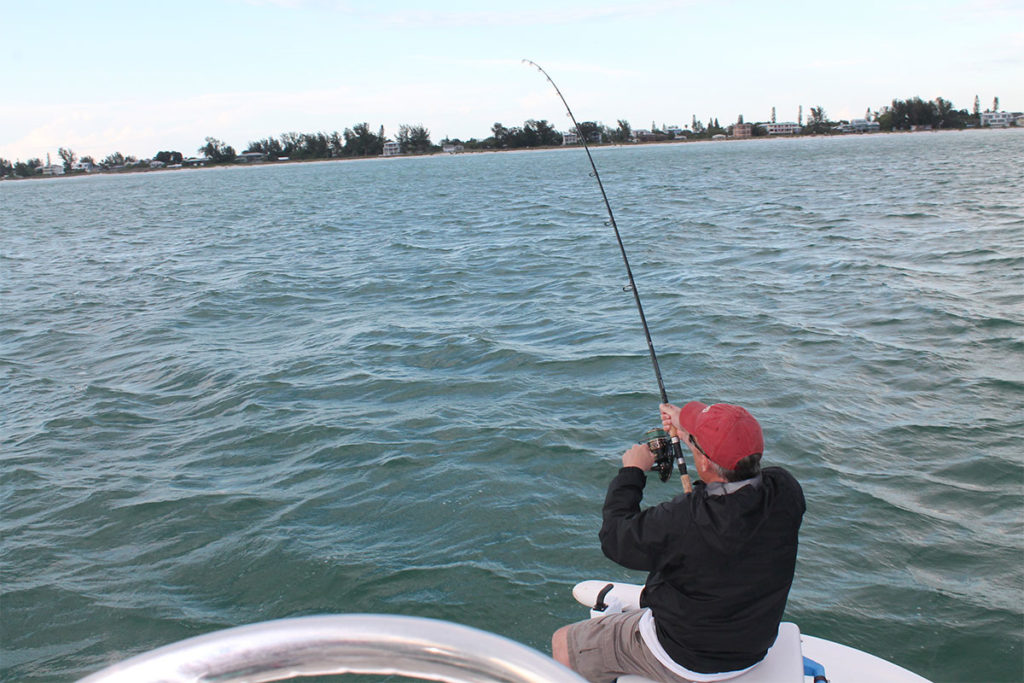
Here's the reality. Ninety percent of fish hang in just ten percent of the water. That's it. The rest? Dead zones. Empty water. You can work those areas all day and come home with excuses instead of fillets. But dial into that narrow slice where fish actually live, and suddenly your line stays tight.
Where Fish Actually Are
Fish aren't scattered randomly across a lake or river. They stack up where conditions meet their needs — oxygen, temperature, food, cover. They don't care how big the body of water is. They care about survival and feeding efficiency. That means the majority of any fishery is functionally dead to you. No current. No structure. No reason for a fish to be there.
This isn't guesswork. It's biology. Fish move to places that offer the best return on energy spent. If the spot doesn't deliver shelter or calories, they won't waste time there. Neither should you. Understanding this shifts your entire approach from hoping to targeting, especially when working common fish species in Tampa Bay.
Why Most Anglers Miss the Mark
Too many people assume fish are everywhere, just waiting to bite. They drift around, throw lures at open water, and wonder why nothing happens. The problem isn't effort. It's placement. You can have the best gear, perfect technique, and all the patience in the world — but if you're not in that productive ten percent, none of it matters.
The 90/10 rule forces you to think differently. It makes you hunt instead of hope. And once you stop treating every cast like a lottery ticket and start fishing with intent, your results change fast. This is why knowing how to choose the right charter fishing guide can make all the difference.
Structure and Cover Are Non-Negotiable
If you want to find fish, find what they use for ambush points and safety. Rocks, logs, docks, weed lines, drop-offs — these aren't just nice-to-haves. They're magnets. Fish relate to structure because it gives them an edge. Predators use it to hide. Prey use it to escape. Either way, that's where the action is.
We focus on these key structure types:
- Submerged timber and fallen trees
- Rocky points and ledges
- Vegetation beds and grass lines
- Docks, piers, and man-made cover
- Drop-offs and depth changes
Water Conditions Dictate Location
Temperature swings, oxygen levels, water clarity — all of it shapes where fish position themselves. In summer heat, they drop deep where it's cooler. During spring turnover, they scatter. After a cold front, they go tight to cover and slow down. If you're not adjusting for conditions, you're fishing blind. Understanding how weather impacts fishing in Tampa Bay becomes critical to success.
We track these variables closely:
- Surface and subsurface temperature shifts
- Dissolved oxygen concentration
- Water clarity and visibility range
- Current speed and flow patterns
- Weather fronts and barometric pressure
Baitfish Movement Tells the Story
Fish go where the food is. That's not poetic — it's survival. If you spot baitfish schooling, flickering on the surface, or getting pushed into corners, gamefish aren't far behind. Birds diving, nervous water, swirls — all of it signals feeding activity. Ignore it, and you're guessing. Follow it, and you're fishing smart. Learning what bait works best for different fish species gives you an even stronger advantage.
We watch for these feeding indicators:
- Baitfish boiling on the surface
- Birds working a specific area
- Jumping or fleeing baitfish
- Surface disturbances and wakes
- Insect hatches drawing attention
Technology Cuts Through Guesswork
Modern fish finders and sonar aren't cheating. They're tools. Use them. A good unit shows you bottom composition, depth changes, and fish holding tight to structure. It won't catch the fish for you, but it will put you on top of them. That's half the battle right there.
We rely on these tech advantages:
- Side-scan sonar for wide coverage
- Down-imaging to spot individual fish
- GPS mapping to mark productive spots
- Water temperature sensors
- Depth contour overlays
Adaptation Beats Stubbornness Every Time
Staying put when nothing's happening is just ego. If the spot isn't producing, move. Fish don't care about your plan. They're either there or they're not. The best anglers we know are constantly adjusting — changing depth, switching lures, relocating entirely. That flexibility is what keeps lines tight when everyone else is staring at still water.
Adaptation comes down to reading feedback. No bites in fifteen minutes? That's feedback. Water looks lifeless? That's feedback. Don't ignore it. React to it. The 90/10 rule isn't static — that ten percent shifts with conditions, time of day, and season. Your job is to stay in it, not chase ghosts in the other ninety. Many anglers benefit from understanding tactics locals use for inshore light tackle fishing to adapt effectively.
Small Areas Hold Big Numbers
You don't need to fish an entire lake to have a great day. A single rocky point, one brush pile, or fifty feet of weed edge can hold dozens of fish. We've seen it happen over and over — anglers spend hours drifting open water with nothing to show, then hit one small zone and load the boat in thirty minutes. That's not luck. That's the 90/10 rule proving itself in real time.
Once you accept that most water is empty, you stop wasting energy. You stop second-guessing. You focus on the areas that matter, fish them hard, and move on if they don't deliver. It's a mindset shift that turns frustration into consistency.
This Changes How You Fish
The 90/10 rule isn't about limiting where you fish. It's about maximizing where you spend your effort. Every cast in dead water is a cast you're not making in the zone. Every hour drifting aimlessly is an hour you could be working structure, current, or cover. The difference between a slow day and a limit often comes down to whether you fished smart or just fished long.
We don't guess where fish are. We look for the conditions that put them there, and we don't leave until we've worked it thoroughly. That's how the rule works in practice — not as a restriction, but as a filter that separates productive water from everything else. Fish it right, and that ten percent is all you'll ever need. For those looking to maximize their time on the water, exploring inshore light tackle charter options can help target that productive zone consistently.
Let’s Make Your Next Fishing Trip Count
We know that finding the right water is the difference between a story and a full cooler. If you’re ready to put the 90/10 rule to work and experience the kind of fishing that keeps you coming back, let’s plan your next adventure together. Give us a call at 813-444-5955 or book your trip today and let’s get you on the fish where it matters most.
‹ Back
Recent Posts
-
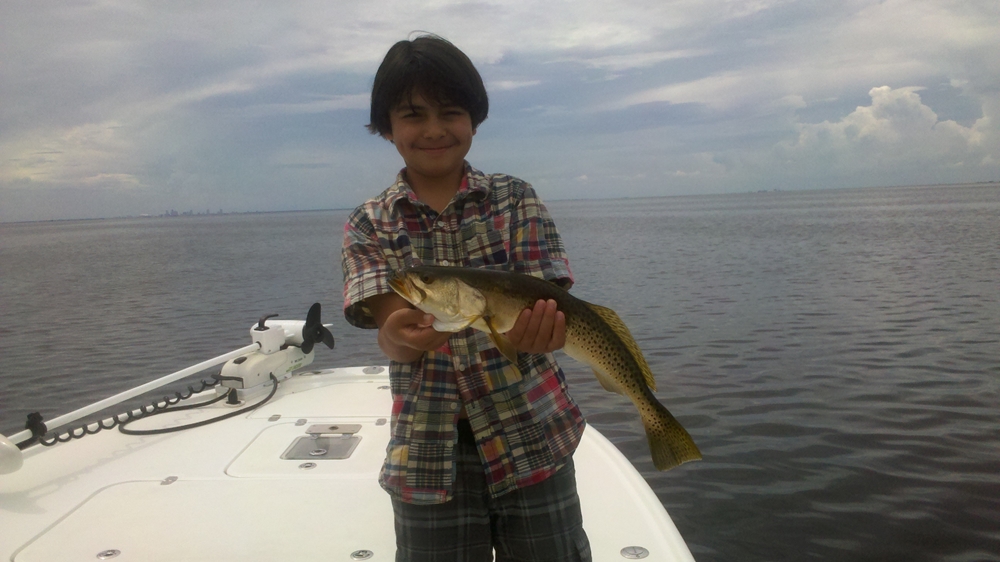
Can Beginner Anglers Enjoy a Tarpon Fishing Trip in Tampa Bay?
October 13, 2026
-
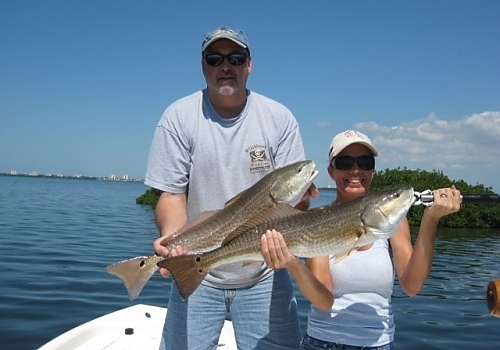
Is Morning or Afternoon Fishing Better in Tampa Bay?
September 29, 2026
-
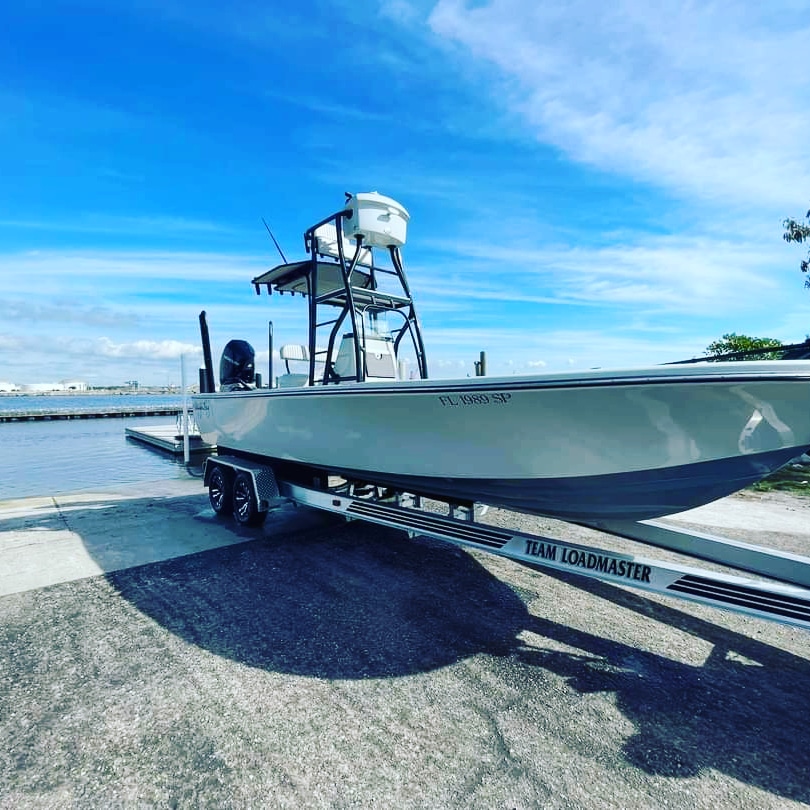
How Early Should You Arrive for a Tampa Bay Fishing Charter?
September 15, 2026
-
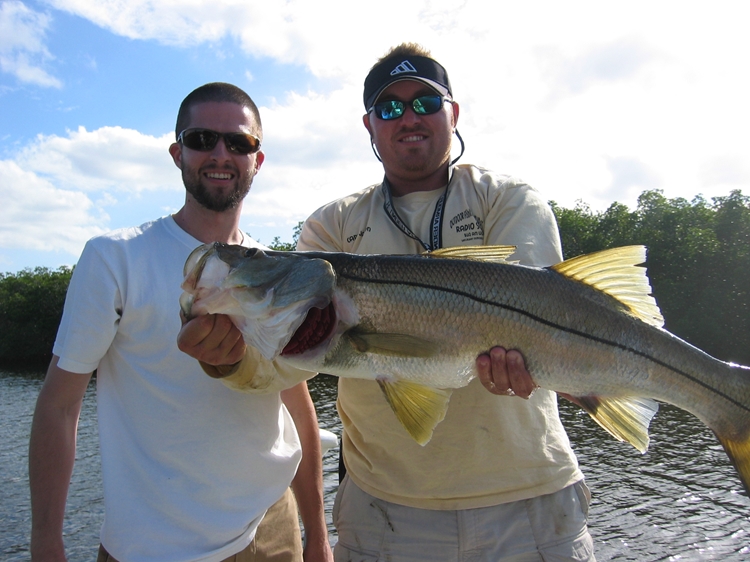
Can You Catch Snook Year-Round in Tampa Bay?
September 1, 2026
-
What Is the Average Cost of a Tampa Fishing Charter?
August 18, 2026