


By using our website, you agree to the use of cookies as described in our Cookie Policy
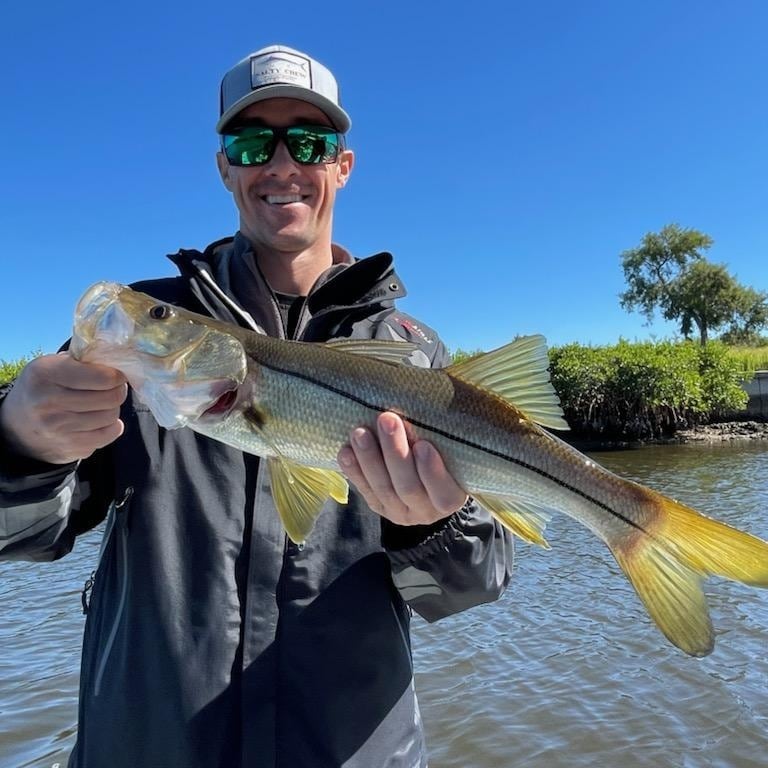
Most anglers think snook fishing is simple math. Warm water equals fish, cold water equals nothing. But the real picture is messier than that — and if you don't understand it, you're wasting trips. Snook are always somewhere in Tampa Bay. The question isn't whether they exist. It's whether the law lets you keep them and whether you know where they're hiding.
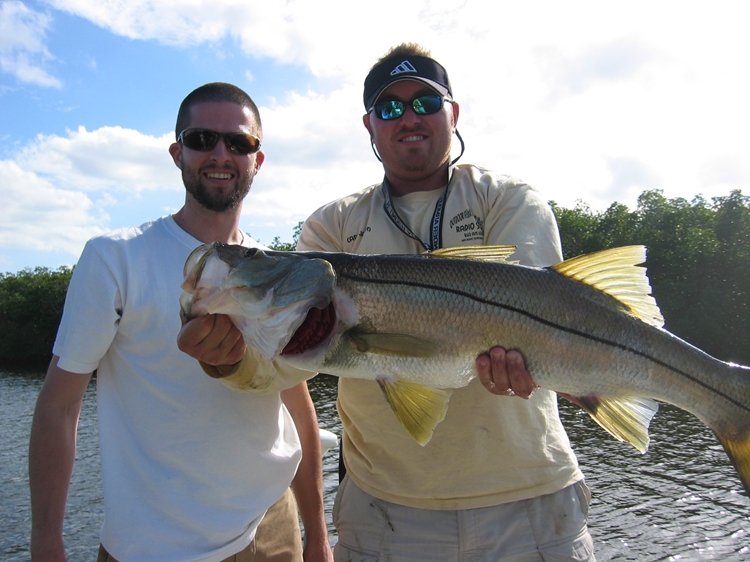
So here's the reality. Snook don't vanish when winter rolls in. They just stop playing by summer rules. Every degree of water temperature shifts their behavior. Every tidal swing changes where they hold. And every season brings its own set of restrictions that can turn a legal catch into a citation if you're not paying attention.
Temperature Dictates Everything
Snook aren't built for cold. Their bodies shut down when water drops below sixty degrees, and if it hits the fifties for too long, you're looking at fish kills. That's why winter patterns look nothing like summer patterns. When temperatures plunge, snook flee shallow flats and head for deep holes, residential canals, and anywhere with a warm water discharge — power plants, industrial outflows, anywhere heat lingers.
During the hot months, though? They're everywhere. Mangrove edges, grass flats, bridge pilings, dock lights at night. They feed aggressively and cover ground. Spring through early fall is when snook turn into opportunistic predators, smashing anything that moves. But that window doesn't last forever, and pretending otherwise costs you fish.
State Rules Aren't Suggestions
You can throw a line at snook every month of the year. Catching them is legal. Keeping them? That's where Florida steps in. The FWC shuts down harvest twice annually — once in winter to protect fish from cold stress, and once in summer to guard spawning populations. Those closures typically run December through February and May through August, though dates shift based on conditions and science.
Miss those windows and you're catch-and-release only. No exceptions. And the size slot is tight when harvest is open. We're talking one fish per angler, and it has to fall within specific measurements. Blow past those limits and you're risking fines that make the cost of bait look like pocket change. Check the regs before you go. Every time. They update, and ignorance doesn't hold up in court.
Where They Go When It Cools Down
Winter snook fishing isn't about covering water. It's about finding the pockets where fish stack up and wait out the cold. They're not roaming. They're hunkered down in predictable spots, and if you know where to look, you'll find them piled on top of each other.
Here's where to focus when temperatures drop:
- Deep residential canals with minimal current and darker water that holds heat longer than open flats
- Power plant outflows where warm water creates a thermal refuge and draws baitfish along with predators
- River mouths and creek systems where freshwater mixing with saltwater provides stable temperature zones
- Bridge pilings and dock structures in deeper channels where snook can hold without fighting current
- Shallow backwater areas that warm up faster on sunny afternoons and trigger brief feeding windows
Warm Months Open Up the Map
Once water temps climb back into the seventies, snook spread out fast. They're no longer locked into survival mode. They're feeding, spawning, and covering territory. That's when Tampa Bay turns into a wide-open snook buffet — if you know how to work it.
From late spring through early fall, focus shifts to passes, mangrove shorelines, and anywhere bait concentrates. Snook stage near inlets during spawning season, and the action can be electric. They're aggressive, less spooky, and willing to hit lures that would get ignored in winter. But crowding increases too. More boats, more pressure, more competition for prime spots.
Bait and Presentation Matter More Than Gear
Snook aren't picky about what rod you're holding. They care about what's in front of their face and how it's moving. Live bait dominates year-round, but the way you present it shifts with the season. In winter, slow everything down. Let a pilchard or shrimp sit in the strike zone longer. Snook won't chase much when they're lethargic.
Summer is different. Faster retrieves, topwater plugs at dawn, swimbaits ripped through current — all of it works because the fish are in hunting mode. Match your approach to their metabolism, and you'll put more fish in the net. Ignore the temperature-driven behavior changes, and you'll burn through bait wondering why nothing's biting.
Handling Decides Whether They Survive
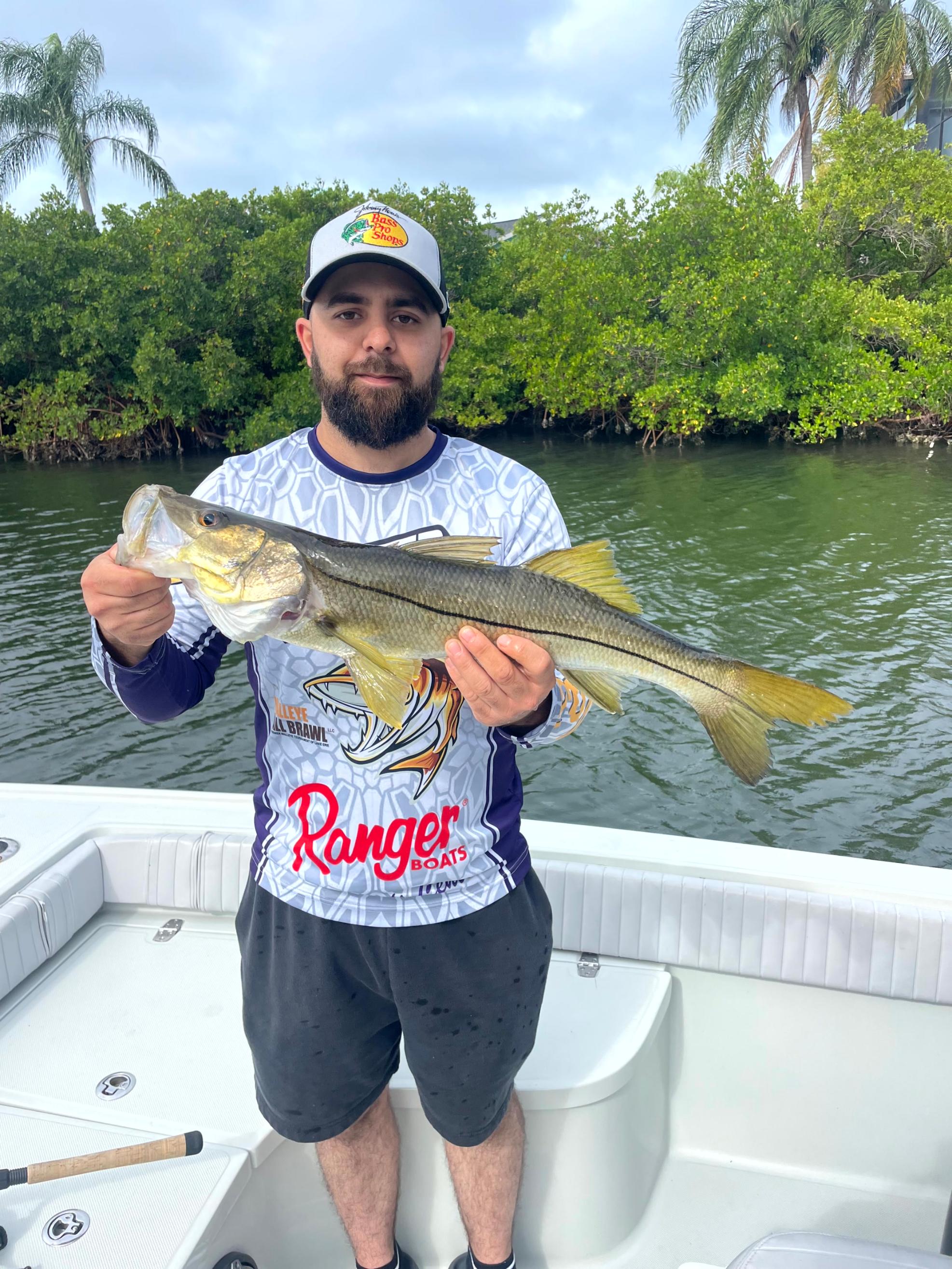
Snook are tougher than they look, but they're not indestructible. Poor handling kills fish even when you think you're being careful. Dry hands strip their slime coat. Lifting them by the jaw damages their spine. Keeping them out of the water too long while you fumble with a camera? That's how you turn a legal release into a floater.
Use these steps every time you land one:
- Wet your hands before touching the fish to preserve its protective slime layer
- Support the body horizontally instead of gripping the jaw and letting the tail hang
- Keep the fish in the water as much as possible while removing the hook
- Use circle hooks to reduce deep hooking and gut damage during the fight
- Revive the fish in the current until it swims off strongly on its own
Tides Run the Show
Snook are ambush feeders. They don't cruise open water looking for meals. They post up near structure and wait for current to deliver bait. That means your timing matters as much as your location. Fish a dead tide and you'll sit there watching flat water do nothing. Fish a moving tide and the same spot lights up.
Incoming tides push bait into mangroves and against seawalls. Outgoing tides pull shrimp and crabs out of the backcountry and funnel them through passes. Either direction works, but the strongest bite windows happen when water is really moving — first two hours of the change, last hour before slack. Plan around the tide chart, not just the clock.
Documentation Keeps You Legal
Think you know the rules? Prove it. Law enforcement patrols Tampa Bay year-round, and they don't care if you "thought" the season was open or "forgot" about the slot limit. Carry a current copy of the regulations, keep a measuring device on board, and double-check harvest dates before you leave the dock.
Here's what you need to stay clean:
- Current Florida fishing license with saltwater endorsement if required for your residency status
- Printed or digital copy of FWC snook regulations including open seasons and size limits
- Accurate measuring board or tape that shows total length from nose to tail
- Photos with time stamps if you're documenting a keeper during open season
- Release tools like dehookers and pliers for quick hook removal without excessive handling
Common Mistakes Sink Your Success Rate
Most blown snook trips come down to bad assumptions. Anglers fish the same spots year-round expecting the same results. They use summer tactics in winter and wonder why nothing works. Or they misread the regs and wind up in trouble over a fish they shouldn't have kept.
Avoid these traps:
- Fishing shallow flats in winter when snook have moved to deeper, warmer water weeks earlier
- Using heavy leaders and loud lures in clear, calm conditions when snook are spooked easily
- Ignoring tide charts and showing up during slack water when feeding activity shuts down completely
- Handling snook roughly or taking them out of the water for long photo sessions during closed seasons
- Assuming harvest is open without checking current FWC dates and slot limits before the trip
Local Knowledge Beats Guesswork
You can figure out Tampa Bay snook patterns on your own. It'll just take years and a lot of wasted gas. Or you can tap into the network of guides, tackle shops, and experienced locals who've already mapped out the seasonal movements. They know which canals fire up in January, which passes hold fish during spawn, and which techniques actually work when conditions shift.
Don't be afraid to ask questions at the bait shop or hire a fishing guide for a trip. The information you pick up in a few hours will compress months of trial and error into actionable intel. Learning best times to catch snook and understanding how weather impacts fishing will accelerate your success rate dramatically. If you're serious about consistent success, that education pays for itself faster than any lure ever will. Knowing what bait works best and how to work with inshore light tackle tactics makes every trip more productive.
Year-Round Means Adapting
Snook don't disappear from Tampa Bay when the calendar flips. They adjust, and so should we. The fish are there every month. The regulations change based on biology and conservation needs. And the patterns shift with water temperature, bait movements, and tidal cycles. Treat snook fishing like a static game and you'll stay frustrated. Treat it like a dynamic puzzle that requires attention and adaptation, and you'll land fish no matter what time of year it is. For serious anglers looking to maximize their success, booking fishing charters with experienced Tampa Bay snook guides provides the local expertise needed to adapt to changing conditions throughout the year.
Let’s Get You on the Water
We know Tampa Bay snook fishing is all about timing, knowledge, and a little bit of luck. If you’re ready to put these tips into action and want a crew that lives and breathes these waters, let’s make it happen together. Call us at 813-444-5955 to talk fishing, or book your trip today and let’s chase that next trophy snook as a team.
‹ Back
Recent Posts
-
Can Beginner Anglers Enjoy a Tarpon Fishing Trip in Tampa Bay?
October 13, 2026
-
Is Morning or Afternoon Fishing Better in Tampa Bay?
September 29, 2026
-
How Early Should You Arrive for a Tampa Bay Fishing Charter?
September 15, 2026
-
Can You Catch Snook Year-Round in Tampa Bay?
September 1, 2026
-
What Is the Average Cost of a Tampa Fishing Charter?
August 18, 2026