



By using our website, you agree to the use of cookies as described in our Cookie Policy
Tampa Bay anglers argue about timing the way mechanics argue about oil brands. Everyone's got a theory. Some swear by dawn. Others won't leave the dock until the sun's high. The truth? Both windows work—but not for the same reasons, and not always on the same day. Fish don't care about your schedule. They care about water temperature, tide movement, and prey availability. If you want consistent results, you need to stop thinking in terms of clock time and start thinking in terms of conditions.
We've spent enough time on these flats to know that timing isn't just preference—it's strategy. And the right strategy depends on what you're targeting, what the tide's doing, and whether you're willing to deal with heat or crowds. Here's what actually matters when you're deciding whether to set the alarm or sleep in.
Dawn Brings the Advantage of Temperature
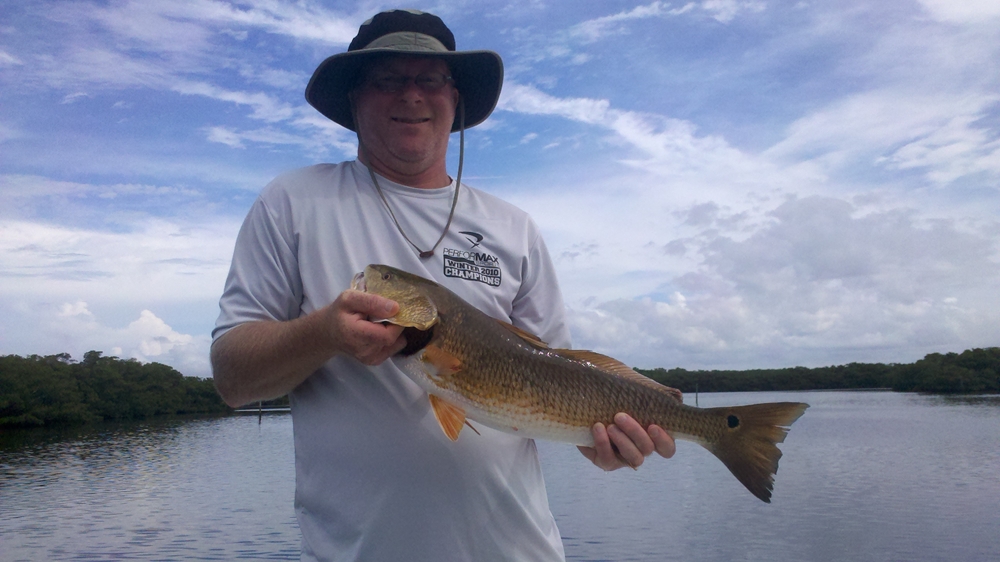
Early light means cooler water. For species like snook, redfish, and seatrout, that shift in temperature triggers feeding behavior. They're hunting before the sun climbs and the shallows turn into bathtubs. You'll find them cruising grass flats, ambushing baitfish near mangroves, or staging around structure while the light's still soft. Lower visibility works in your favor too—they're less spooked, more aggressive, and easier to fool with topwater plugs or live bait.
Mornings also mean fewer boats. You're not fighting for space at the best cuts or dodging weekend traffic in the channels. If you're targeting pressured fish or fishing near popular launch points, that solitude makes a real difference. The water's calmer before the afternoon breeze kicks up, which means better casting conditions and cleaner presentations. Plus, you're not baking under full sun for hours. If you're planning a long session, starting early buys you comfort and focus before the heat drains both.
- Water temps are lower, triggering active feeding windows
- Fish are less wary under subdued lighting
- Boat traffic is minimal, giving you first pick of spots
- Topwater action peaks during these hours
- You avoid the midday heat and UV exposure
Afternoon Sessions Align With Warmer Water Species
Once the bay heats up, different players enter the game. Tarpon, Spanish mackerel, and certain pelagic species become more active as water temperatures rise. They're cruising deeper channels, hunting bait schools in open water, or staging near bridges where current funnels food. If you're chasing these fish, afternoons aren't a compromise—they're the prime window. You'll also notice more baitfish activity as the day progresses, which draws predators out of hiding and into feeding mode.
Afternoons give you the benefit of observation. With higher sun angles, you can spot fish on the flats, identify structure more clearly, and adjust your approach in real time. Sight fishing becomes viable. You're not casting blind—you're targeting specific fish with tactical precision. The downside is heat and wind, but if you're prepared for both, the trade-off is worth it. Late afternoon also brings a drop in wind speed, which can turn a choppy session into a smooth finish.
- Warmer water activates species like tarpon and mackerel
- Baitfish schools become more visible and active
- Sight fishing is easier with better light penetration
- You can work around morning commitments and still fish productively
- Evening tides often coincide with feeding windows
Tides Trump Time Every Single Trip
Here's what most anglers miss: the clock doesn't matter as much as the tide chart. A moving tide stirs up bait, pushes water through cuts, and positions fish where they're easiest to target. Whether that happens at sunrise or mid-afternoon depends on the lunar cycle and local conditions. If you're planning a trip based solely on morning versus afternoon, you're missing the bigger picture. Plan around tide movement first, then pick your time window based on what the chart shows.
Fish feed hardest during the first two hours of an incoming or outgoing tide. If that window falls at dawn, great. If it's at 3 PM, that's your best shot. We've had mornings where the tide was slack and the fish were lethargic, and afternoons where the water was ripping and every cast brought a strike. The lesson is simple: check the tide, then decide when to launch. Everything else is secondary.
- Moving tides trigger aggressive feeding behavior
- Slack tides often mean slow fishing regardless of time
- Incoming tides push bait onto flats and into mangroves
- Outgoing tides concentrate fish near channels and cuts
- Tide charts should dictate your schedule, not the other way around
Weather Patterns Shift the Equation
Cloud cover extends the morning bite. On overcast days, fish stay active longer because the light stays low and water temps rise more slowly. Bright, bluebird afternoons can push fish deeper or under cover, especially during summer. Wind complicates afternoons more than mornings—once it picks up, casting accuracy drops and boat control gets harder. But wind also stirs up bait and oxygenates the water, which can trigger feeding in certain conditions.
Cold fronts flip the script entirely. Fish go deep and sulk after a front passes, which means you'll need to adjust tactics and possibly fish later in the day when the water's had time to stabilize. Summer thunderstorms bring their own challenges—afternoon storms are predictable, so if you're fishing late, you need to watch the radar and have an exit plan. Weather isn't something you ignore. It's something you plan for and adapt to, just like tides.
- Overcast conditions stretch the morning feeding window
- Bright sun pushes fish into deeper or shaded areas
- Wind affects casting and boat positioning more in afternoons
- Cold fronts slow fish activity for days, not hours
- Summer storms are afternoon events—plan accordingly
Gear and Prep Change With the Clock
Morning sessions demand layers. Even in Florida, early starts can be cool on the water, especially in fall and winter. You'll want sun protection as the day brightens, but start with something that cuts the wind. Afternoons mean full sun from the jump—long sleeves, buffs, polarized lenses, and plenty of water. Dehydration sneaks up fast when you're focused on fishing, and heat exhaustion ruins trips faster than any skunk.
Bait selection shifts too. Early mornings favor topwater and slow-moving presentations. Fish are hunting in low light, so erratic surface action gets their attention. Afternoons call for subsurface lures, jigs, or live bait that matches the hatch. As the sun climbs, fish relate more to structure and depth changes, so your approach needs to follow. We've learned the hard way that showing up with the wrong setup wastes the best part of the day.
- Mornings require layered clothing and wind protection
- Afternoons demand serious sun protection and hydration
- Topwater lures shine in early light
- Subsurface presentations work better as the day heats up
- Adjust your tackle based on light and fish behavior, not habit
Pick Your Window Based on What You're Chasing
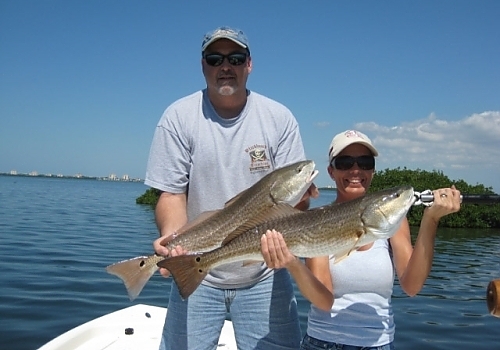
Morning or afternoon? The answer depends on your target. Snook and reds? Hit the flats at first light. Tarpon and mackerel? Wait for warmer water and afternoon tides. Trout? They'll bite both windows, but mornings offer better topwater opportunities. If you're fishing blind without a plan, you're cutting your odds in half before you ever wet a line.
Tampa Bay rewards preparation, not luck. Study the tides, check the weather, and match your timing to the fish you're after. The anglers who complain about slow days are usually the ones who showed up at the wrong time for the wrong species. We've seen it play out over and over—timing isn't everything, but it's the difference between a full cooler and an empty one. Consider booking inshore light tackle charters with experienced guides who understand these patterns, or check out what to bring to maximize your trip success. Fish smart, not just early or late.
Let’s Plan Your Best Day on the Water
We know every angler wants to make the most of their time on Tampa Bay, and the right timing can turn a good trip into a great one. If you’re ready to put these strategies to work and experience the difference firsthand, let’s get you on the water with a crew that knows how to read the tides and chase the bite. Give us a call at 813-444-5955 or book your trip today—we’ll handle the details so you can focus on the fishing.
‹ Back
Recent Posts
-
Is Morning or Afternoon Fishing Better in Tampa Bay?
September 29, 2026
-
How Early Should You Arrive for a Tampa Bay Fishing Charter?
September 15, 2026
-
Can You Catch Snook Year-Round in Tampa Bay?
September 1, 2026
-
What Is the Average Cost of a Tampa Fishing Charter?
August 18, 2026
-
What Fish Are Biting in Tampa Bay?
August 4, 2026