


By using our website, you agree to the use of cookies as described in our Cookie Policy
High tide changes everything. Water pushes into places that were mud flats an hour ago. Mangroves flood. Oyster bars disappear under the surface. And redfish follow that water like it's a dinner bell. If you don't understand where they go when the tide rolls in, you're fishing blind. Tampa Bay has thousands of acres to cover, but redfish don't spread out randomly. They move with purpose, chasing food and cover in spots that become accessible only when the water's up.
Most anglers waste time working the same holes they hit at low tide, expecting fish to show up just because the water's higher. That's not how it works. Redfish shift into entirely different zones during a flood tide, and if you're not adjusting your approach, you're missing the window. The fish are there — you're just not looking in the right places.
Tidal Movement Drives the Hunt
Redfish don't sit still. When water levels climb, they push into areas that were off-limits hours before. That rising tide brings baitfish, crabs, and shrimp into the shallows, and redfish know it. They're opportunistic, aggressive, and they follow the food chain up into the flooded zones. The key is figuring out which zones get hit first and which hold the most prey.
During peak high tide, redfish aren't cruising deep channels or hanging in open water. They're tucked into structure, working the edges, and ambushing anything that moves. If you're not targeting those transitional areas where water meets land, you're in the wrong part of the bay.
Mangrove Lines Hold the Best Ambush Points
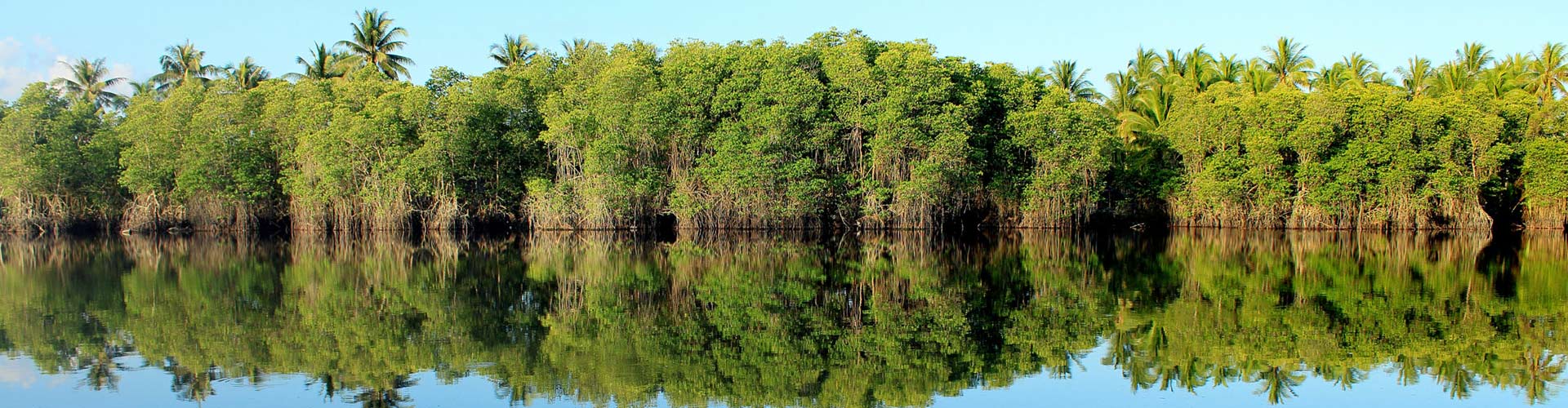
When the tide floods, mangrove shorelines become predator highways. Redfish slide right up into the roots, sometimes so shallow their backs are out of the water. The structure gives them cover, the current brings food, and the shade keeps them comfortable. You'll find them tucked into pockets, cruising the edges, or holding in cuts where small creeks drain into bigger water.
The mistake most people make is casting too far out. Redfish are often within a few feet of the mangrove line, tight to structure. If you're not bumping roots or scraping oysters, you're probably not close enough. Work the shadows, hit the cuts, and don't be afraid to get your lure into tight quarters.
Grass Flats Turn Into Feeding Tables
Shallow grass flats that look like deserts at low tide become feeding zones once the water covers them. Redfish move onto these flats to root for crabs and shrimp, and they'll stay as long as the tide holds. Look for areas with potholes, sand patches, or slight depth changes — those irregularities concentrate prey and give fish a defined hunting lane.
You'll spot them by watching for tails, wakes, or nervous water. If you see mullet scattering or birds working, there's a good chance redfish are underneath. Move slowly, stay quiet, and don't line the boat up on top of the flat. Work the edges and let the fish come to you.
Oyster Bars Funnel the Current
Oyster bars are magnets during high tide. The structure breaks up the current, creates ambush points, and holds baitfish in place. Redfish use these bars as staging areas, waiting for food to wash over or around the shell. Some bars are barely visible at high tide, so you need to know where they sit before you get on the water.
Fish the upcurrent side where water pushes over the bar, or work the downcurrent edge where bait gets swept off. Either way, oyster bars produce. Just don't run your boat over them — prop damage is expensive, and it ruins the spot for everyone else.
Creek Mouths Act Like Funnels
When the tide floods into creeks and tidal cuts, redfish stack up at the mouths. These areas funnel bait and concentrate fish in predictable zones. You'll often see multiple fish working the same stretch, especially during the last hour of the incoming tide when the current is strongest.
Position yourself to cast into the mouth or work the edges where the creek meets open water. Redfish will either be holding in the current or cruising just outside, waiting for prey to get flushed out. Don't overlook small creeks — some of the best action happens in places most people ignore.
Docks and Pilings Provide Quick Cover
In more developed areas of Tampa Bay, redfish use man-made structure the same way they use natural cover. Docks, seawalls, and bridge pilings offer shade, ambush points, and protection from boat traffic. During high tide, these spots can hold surprising numbers of fish, especially if there's current flowing through.
Pitch baits under docks, work the pilings, and don't skip seawalls just because they look artificial. Redfish don't care if the structure is natural or not — they care if it holds food and keeps them safe.
Reading the Water Tells You Everything
Finding redfish during high tide isn't about covering water randomly. It's about reading the signs and adjusting your approach. Here's what to watch for:
- Tailing fish in shallow water, especially near grass flats or mangroves
- Wakes or nervous water where redfish are pushing bait
- Birds diving or working over a specific area
- Baitfish schooling tight to structure
- Muddy patches where fish have been rooting for food
Stealth Wins More Fish Than Power
High tide puts redfish in skinny water, and that makes them spooky. Loud trolling motors, hull slaps, and heavy footsteps will shut down a flat faster than anything. If you want consistent hookups, you need to approach quietly and move with intention.
Use a push pole when possible, keep your trolling motor on low, and don't let your anchor chain rattle. The quieter you are, the closer you can get, and the more shots you'll have at fish that aren't already running for deeper water.
Lure and Bait Selection Matters
Matching the forage in the area makes a massive difference. Redfish aren't picky, but they respond better to presentations that look natural. Here's what works consistently during high tide:
- Soft plastics in natural colors like chartreuse, white, or root beer
- Gold or silver spoons worked over grass flats and oyster bars
- Live shrimp fished under a popping cork near mangroves
- Cut mullet or pinfish on the bottom near creek mouths
- Topwater plugs early in the morning or late in the afternoon
Timing the Tide Makes the Difference
Not all high tides fish the same. The best action usually happens during the last hour of the incoming and the first hour of the outgoing. That's when redfish are most active, feeding hard before the water starts dropping and they're forced to move again.
Plan your trip around the tide charts, and don't waste time showing up at slack tide. By the time the water starts moving again, you should already be in position and ready to cast.
Seasonal Shifts Change the Patterns
Summer heat pushes redfish deeper into mangroves and grass flats where shade and oxygen are better. Winter cold pulls them into slightly deeper water or areas with dark mud bottoms that hold warmth. Spring and fall see the most consistent patterns, with fish moving freely across the flats and hitting structure aggressively.
Water clarity also plays a role. After a storm or heavy rain, redfish may avoid murky water and stage near cleaner current lines. Pay attention to how weather impacts fishing and adjust your spots accordingly.
Knowledge Beats Luck Every Time
You can't fish Tampa Bay effectively if you're guessing where redfish go during high tide. The fish aren't random, and the patterns aren't mysterious — they're just specific. Learn the structure, understand the tides, and put yourself in position before the water peaks. Most anglers fish too deep, move too fast, and make too much noise. The ones who consistently catch redfish do the opposite.
High tide opens up the bay in ways that low tide never will. But that opportunity only lasts a few hours, and if you're not dialed in, you'll miss it. Top spots around Tampa Bay for catching redfish become even more productive during high tide, and knowing exactly where to position yourself is crucial. Understanding common fish species in Tampa Bay helps you identify redfish behavior patterns, and learning what bait works best can significantly improve your hookup ratio. Working with experienced Tampa Bay fishing guides can shortcut your learning curve, and booking a specialized inshore light tackle charter puts you on fish during optimal tidal windows. Everything else is just details.
Let’s Get You on the Water
We know Tampa Bay’s tides and redfish patterns inside and out, and we’re ready to help you make the most of your next trip. If you want to stop guessing and start catching, let’s plan your adventure together. Give us a call at 813-444-5955 or book your trip today and experience the difference firsthand.
‹ Back
Recent Posts
-
Where Do Redfish Hide in Tampa Bay During High Tide?
November 10, 2026
-
How Long Should Your Tampa Bay Fishing Charter Be to Catch Fish?
October 27, 2026
-
Can Beginner Anglers Enjoy a Tarpon Fishing Trip in Tampa Bay?
October 13, 2026
-
Is Morning or Afternoon Fishing Better in Tampa Bay?
September 29, 2026
-
How Early Should You Arrive for a Tampa Bay Fishing Charter?
September 15, 2026